
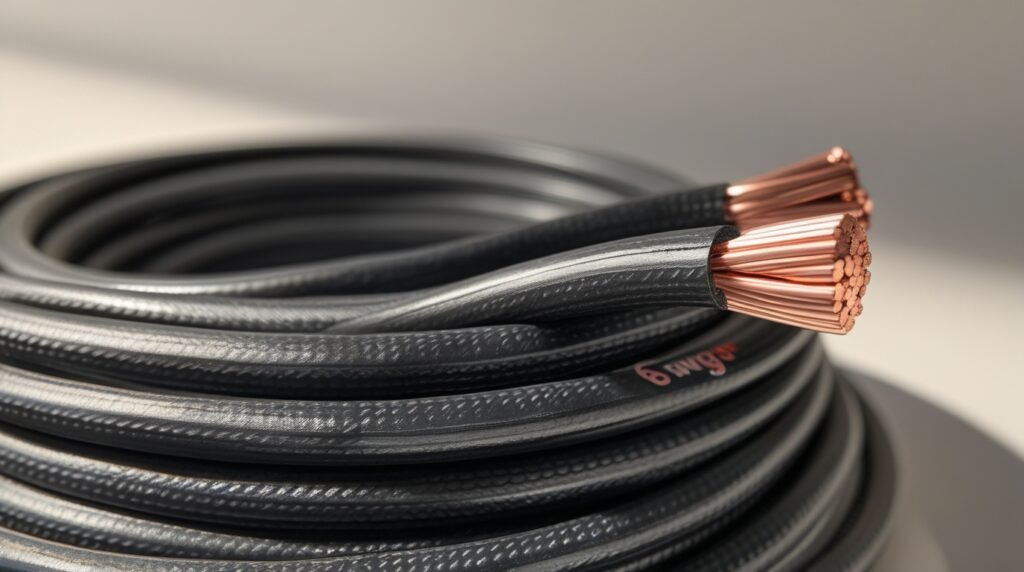
When it comes to electrical wiring, selecting the right wire size is crucial for ensuring safety, efficiency, and long-term durability. One of the most commonly used wire sizes for both residential and industrial applications is 6 AWG wire. Whether you’re an electrician, a DIY enthusiast, or a homeowner undertaking an electrical project, understanding the features, uses, and advantages of 6 AWG wire is essential for making informed decisions. In this comprehensive guide, we will dive into the specifics of 6 AWG wire, including its specifications, applications, benefits, and tips for selecting the right wire for your needs.
What is 6 AWG Wire?
6 AWG wire refers to a specific gauge of wire, measured according to the American Wire Gauge (AWG) system. The AWG system is used to standardize wire thickness, ensuring that electrical wires are sized correctly to handle various levels of current and voltage. In this case, 6 AWG wire is relatively thick and is typically used for medium to high-power electrical applications.
The 6 AWG wire is widely used in both residential and industrial settings, often in circuits that require a significant amount of current, such as electrical panel connections, sub-panel wiring, and heavy-duty appliances. This wire is designed to carry larger amounts of electrical current compared to smaller gauge wires, making it suitable for applications that involve high-power loads.
Understanding the Specifications of 6 AWG Wire
The specification of 6 AWG wire includes several key characteristics that make it suitable for specific electrical applications. Let’s take a closer look at the most important factors:
- Diameter: A 6 AWG wire has a diameter of approximately 0.162 inches (4.11 mm), which is larger than smaller gauge wires but smaller than the thicker wires commonly used for extremely high-power applications.
- Current Capacity: The 6 AWG wire is rated to carry a maximum current of 55 to 65 amps, depending on the wire insulation and the specific conditions of the installation. This makes it suitable for medium-power circuits, such as lighting systems, small machinery, and home appliances.
- Voltage Rating: The voltage rating of a 6 AWG wire typically ranges from 600 volts to 2,000 volts, depending on the wire type (e.g., THHN, THWN, or XHHW). It’s important to choose a wire with the correct voltage rating to ensure that it can safely handle the electrical demands of your project.
- Insulation: The insulation material used for 6 AWG wire plays a significant role in its safety and performance. Common insulation materials for this wire include PVC, nylon, and thermoplastic, which protect the wire from external factors such as heat, moisture, and abrasion.

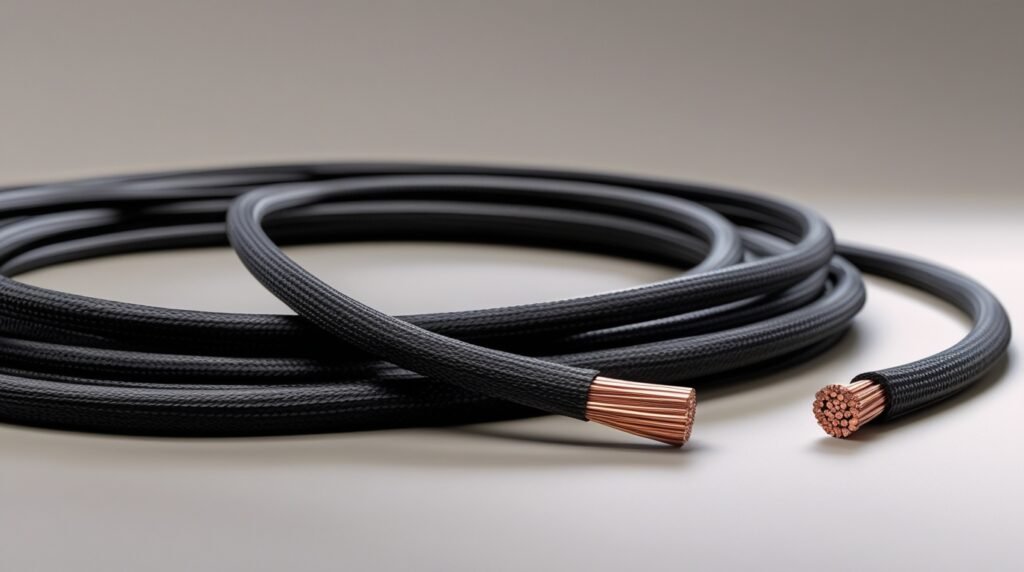
Common Uses of 6 AWG Wire
6 AWG wire is versatile and can be used in a wide range of applications across different industries. Below are some of the most common uses for 6 AWG wire:
1. Electrical Panel Wiring
In residential and commercial electrical systems, 6 AWG wire is often used for wiring electrical panels. This includes both the main service panel as well as sub-panels, where 6 AWG wire is used to connect the distribution boards and carry the electrical current from the main supply to other circuits within the building. It ensures that large amounts of power can be safely distributed throughout the structure.
2. Appliance Connections
Many heavy-duty home appliances, such as air conditioners, ovens, and electric dryers, require 6 AWG wire for their connections. This is because these appliances consume higher amounts of electrical current. Using 6 AWG wire helps ensure that the appliance receives the necessary power while minimizing the risk of overheating or wire degradation.
3. Industrial Machinery Wiring
In industrial settings, 6 AWG wire is often used to connect machinery that requires a moderate amount of electrical current. This includes equipment such as motors, pumps, and other machinery that need a reliable and safe electrical connection. The thicker diameter of the 6 AWG wire allows it to handle the substantial power demands of industrial machinery without compromising on safety or performance.
4. Solar Power Systems
For solar power systems, 6 AWG wire is commonly used to connect solar panels to inverters and batteries. Solar power systems generate substantial amounts of electrical power, so 6 AWG wire ensures that the system can handle the voltage and current produced by the panels without loss of efficiency or safety. This is particularly useful in both off-grid and grid-tied solar setups.
5. Grounding and Bonding
6 AWG wire is also used for grounding and bonding purposes in both residential and commercial electrical systems. Grounding wires are essential for safety, as they provide a pathway for electrical faults and prevent electrical shock hazards. 6 AWG wire provides an effective grounding solution, ensuring that your electrical system is properly connected to the earth and free from potential risks.
Benefits of Using 6 AWG Wire
Choosing 6 AWG wire for your electrical projects comes with several advantages. Below are the key benefits of using this wire gauge:
1. High Current Capacity
One of the biggest advantages of 6 AWG wire is its ability to carry a significant amount of current. With a maximum current capacity of 55 to 65 amps, 6 AWG wire is perfect for medium-duty electrical circuits, making it suitable for everything from home appliances to industrial machinery.
2. Versatility
Another benefit of 6 AWG wire is its versatility. It can be used in a wide range of applications, from residential homes to large industrial complexes. Its flexibility makes it a go-to choice for various wiring tasks, including panel connections, appliance hookups, and more.
3. Durability and Longevity
6 AWG wire is designed to be durable and long-lasting. With proper insulation, the wire can withstand harsh conditions, including exposure to moisture, heat, and chemicals. Additionally, 6 AWG wire is built to resist corrosion, which is critical in environments with high humidity or other corrosive factors.
4. Safety
Using 6 AWG wire for your electrical installations helps ensure safety. This wire is specifically designed to handle higher currents and prevent overheating, which reduces the risk of electrical fires. Additionally, proper insulation materials protect the wire from damage and further enhance safety by preventing short circuits.
5. Cost-Effectiveness
6 AWG wire offers a balance between performance and cost. It provides excellent performance for a wide range of applications, and because it is widely used and readily available, it tends to be more cost-effective than larger, more specialized wire gauges. For many projects, 6 AWG wire offers the ideal solution without breaking the budget.
Choose the Right 6 AWG Wire for Your Project
Selecting the right 6 AWG wire for your project involves considering several factors to ensure the wire meets the demands of the application. Here’s what to keep in mind when choosing 6 AWG wire:
1. Determine the Current Requirements
Before selecting 6 AWG wire, you need to assess the current demands of the electrical system or device you are wiring. If your application requires 55 to 65 amps of current, then 6 AWG wire is the appropriate choice. If the current requirement exceeds this range, you may need to choose a thicker wire, such as 4 AWG wire or 2 AWG wire.
2. Check the Voltage Rating
The voltage rating of the wire must also be considered to ensure it can handle the voltage of the system. For most residential and commercial applications, 6 AWG wire with a voltage rating of 600V to 2,000V is sufficient. If you’re working with high-voltage systems, be sure to select a wire with the appropriate voltage rating.
3. Choose the Right Insulation Material
The insulation of 6 AWG wire plays an essential role in its performance and safety. Common insulation materials include PVC, nylon, and thermoplastic, with each offering varying levels of protection. For applications that require greater flexibility or resistance to heat and moisture, consider using wire with specialized insulation.
4. Assess the Environment
If the wire will be exposed to harsh conditions, such as high temperatures or outdoor environments, choose wire with insulation rated for those conditions. For example, THWN-2 wire is designed for wet and dry locations, making it ideal for outdoor installations.
5. Look for Certifications
Make sure the 6 AWG wire you choose is certified for safety and quality. Look for wires that meet the standards set by organizations like UL (Underwriters Laboratories), which ensures the wire has been tested for performance and safety in various applications.
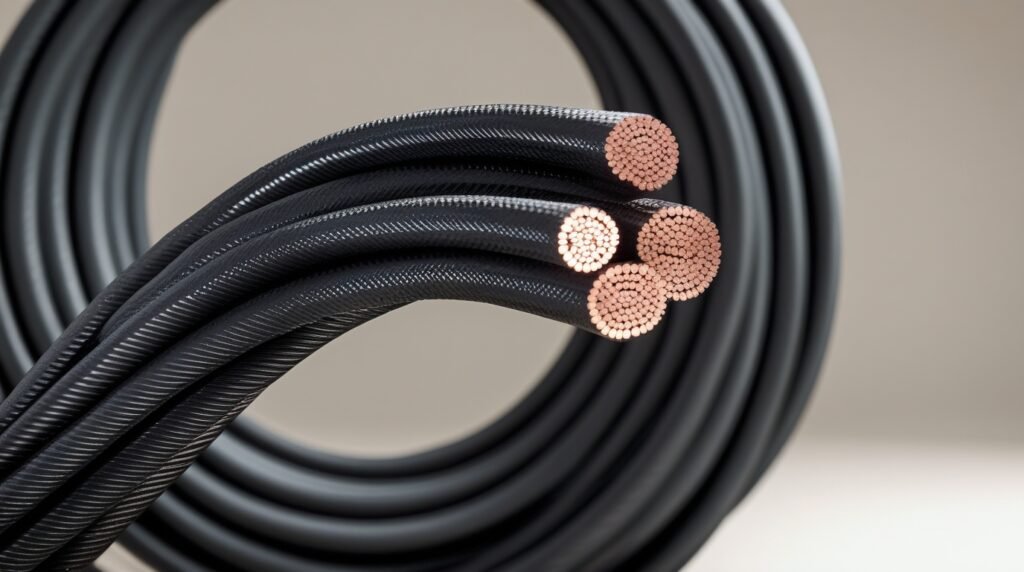
Common Issues with 6 AWG Wire and How to Avoid Them
While 6 AWG wire is generally reliable and durable, there are some potential issues that can arise if the wire is not used or installed correctly. Here are a few common problems and how to avoid them:
1. Overloading the Circuit
If you exceed the maximum current capacity of 6 AWG wire (55 to 65 amps), the wire may overheat, leading to potential fire hazards. Always ensure that the wire is matched to the correct amperage rating for the system you are wiring.
2. Improper Insulation
Damaged or improperly installed insulation can lead to short circuits, sparking, or electrocution. Make sure the insulation material is suitable for your specific application and that it is installed properly. Inspect the wire for any signs of wear or damage before use.
3. Corrosion
While 6 AWG wire is designed to resist corrosion, it’s still important to inspect the wire regularly, especially if it’s installed in areas with high humidity or exposure to chemicals. Use corrosion-resistant wire or apply protective coatings when necessary.
Conclusion
In conclusion, 6 AWG wire is a versatile, durable, and cost-effective solution for a variety of electrical applications. Whether you’re wiring a residential home, connecting appliances, or working with industrial machinery, 6 AWG wire offers the perfect balance of current-carrying capacity, flexibility, and safety. By understanding the specifications, uses, and potential issues associated with 6 AWG wire, you can ensure that your electrical projects are completed safely and efficiently. Always follow proper installation practices and choose the right wire for the job to avoid common issues such as overloading, insulation damage, or corrosion.
Frequently Asked Questions
What is the current capacity of 6 AWG wire?
6 AWG wire is rated to handle up to 55 to 65 amps, depending on the insulation and installation conditions.
Can 6 AWG wire be used for high-voltage systems?
Yes, 6 AWG wire can be used for systems with a voltage rating of 600V to 2,000V, depending on the wire’s insulation material and specific application.
How do I know if 6 AWG wire is the right size for my project?
To determine if 6 AWG wire is appropriate, assess the current requirements of your system. If it requires 55 to 65 amps, 6 AWG wire is typically suitable. If higher current is needed, you may need to select a thicker gauge wire.
What insulation materials are used for 6 AWG wire?
Common insulation materials for 6 AWG wire include PVC, nylon, and thermoplastic, with each offering varying levels of protection depending on the application.