








Thyroid health plays a major role in maintaining energy levels, metabolism, mood stability, and overall hormonal balance. Among the various diagnostic tools available today, tsh w/reflex to ft4 stands out as one of the most efficient and clinically trusted tests for evaluating thyroid function. This testing method helps doctors identify thyroid disorders early while avoiding unnecessary lab work. In this detailed article, we will explore how this test works, why it is important, and how it supports accurate medical decisions in modern healthcare.
What Is TSH and Why It Is Important
Thyroid Stimulating Hormone, commonly known as TSH, is produced by the pituitary gland and controls how much hormone the thyroid gland releases. These hormones regulate metabolism, body temperature, heart rate, and energy production. Even a small imbalance can lead to noticeable health issues, which is why doctors often begin thyroid evaluation with tsh w/reflex to ft4 to ensure reliable results.
When TSH levels move outside the normal range, it signals that the thyroid gland may not be functioning properly. This makes TSH a powerful screening marker for thyroid disorders.
Understanding Reflex Testing in Thyroid Diagnosis
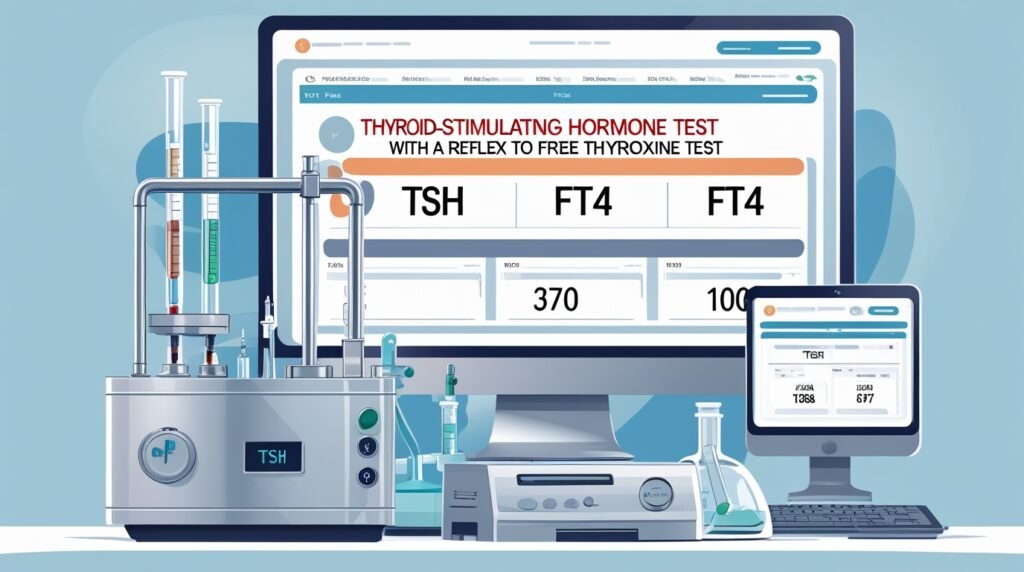
Reflex testing is an automated laboratory process where additional tests are performed only if initial results are abnormal. In thyroid diagnostics, tsh w/reflex to ft4 means that Free T4 is automatically tested if TSH levels are too high or too low. This eliminates guesswork and speeds up diagnosis.
Instead of ordering multiple thyroid tests upfront, healthcare providers receive focused and relevant information. This approach improves efficiency without compromising accuracy.
How TSH w/Reflex to FT4 Works
The test begins with a routine blood sample. The laboratory first analyzes TSH levels. If those levels fall within the normal range, no further testing is required. If TSH is abnormal, Free T4 is tested automatically to assess the actual thyroid hormone level.
This step-by-step process is what makes tsh w/reflex to ft4 so effective. It allows doctors to quickly determine whether a patient has hypothyroidism, hyperthyroidism, or a subclinical condition.
Why Doctors Prefer This Testing Method
Doctors rely on tsh w/reflex to ft4 because it reduces unnecessary testing while delivering complete diagnostic clarity. It also supports faster decision-making and improves patient care.
Key Advantages in Points
- Reduces unnecessary lab tests
- Saves time for patients and doctors
- Lowers healthcare costs
- Improves diagnostic precision
- Helps detect early thyroid dysfunction
These benefits make this test a preferred choice in both primary care and specialist settings.
Relationship Between TSH and Free T4
TSH and Free T4 work together in a feedback system. When thyroid hormone levels drop, TSH rises to stimulate hormone production. When hormone levels increase, TSH decreases. Reflex testing captures this relationship accurately.
By using tsh w/reflex to ft4, clinicians gain a clearer picture of whether the issue lies in the thyroid gland itself or in hormonal regulation.
Normal and Abnormal Lab Values
Understanding lab values helps patients better interpret their results. Below is a simplified table.
| Test Component | Typical Range | Clinical Meaning |
| TSH | 0.4–4.0 mIU/L | Thyroid stimulation level |
| Free T4 | 0.8–1.8 ng/dL | Active thyroid hormone |
| Abnormal findings prompt further evaluation through tsh w/reflex to ft4, ensuring accurate diagnosis. |
Conditions Diagnosed Using This Test
This test is used to diagnose a wide range of thyroid disorders efficiently.
Common Conditions in Points
- Primary hypothyroidism
- Hyperthyroidism
- Subclinical thyroid disease
- Thyroid dysfunction due to medication
- Disorders of the pituitary-thyroid axis
Because tsh w/reflex to ft4 provides layered results, it supports both early detection and long-term management.
Symptoms That Often Lead to Testing
Thyroid disorders can present with vague symptoms that affect daily life. Doctors often recommend testing when patients experience unexplained changes.
Symptoms in Points
- Persistent fatigue
- Sudden weight gain or loss
- Hair thinning or hair loss
- Cold or heat intolerance
- Anxiety, depression, or mood swings
Using tsh w/reflex to ft4 helps identify the underlying cause before symptoms become severe.
Who Should Consider This Test
Although anyone can develop thyroid issues, some groups are at higher risk.
High-Risk Individuals
- Pregnant women
- People with a family history of thyroid disease
- Patients with autoimmune conditions
- Individuals taking thyroid-affecting medications
For these groups, tsh w/reflex to ft4 offers reliable screening and follow-up monitoring.
Comparison With Traditional Thyroid Panels
Traditional thyroid panels test multiple hormones at once, sometimes without clinical necessity. Reflex testing provides a more targeted approach.
| Feature | Traditional Panel | Reflex Method |
| Cost | Higher | Lower |
| Testing Efficiency | Moderate | High |
| Over-testing Risk | High | Minimal |
| Diagnostic Focus | Broad | Targeted |
| This comparison explains why tsh w/reflex to ft4 is widely adopted in modern medical practice. |
Role in Ongoing Thyroid Management
Patients diagnosed with thyroid disorders require regular monitoring. Reflex testing simplifies follow-up by focusing on relevant markers only.
Doctors use tsh w/reflex to ft4 to adjust medication dosages and ensure hormone levels remain stable. This reduces the risk of complications caused by overtreatment or undertreatment.
Impact on Treatment Decisions
Accurate lab results directly influence treatment plans. Based on test findings, doctors may initiate hormone replacement, modify existing therapy, or recommend lifestyle adjustments.
Because tsh w/reflex to ft4 combines screening and confirmation, it allows more confident and precise treatment decisions.
Accuracy and Clinical Reliability
Modern laboratory technology ensures that reflex testing is highly accurate and reproducible. Automated systems minimize human error and provide consistent results.
Medical professionals trust tsh w/reflex to ft4 because it aligns with established clinical guidelines and evidence-based practices.
Test Preparation and Patient Experience
In most cases, no special preparation is required. Patients should inform their healthcare provider about medications or supplements that may affect results.
The simplicity and reliability of tsh w/reflex to ft4 make it a patient-friendly diagnostic option.
Common Myths About Thyroid Testing
Many people misunderstand thyroid testing and delay diagnosis because of common myths. One widespread belief is that thyroid disorders always show obvious symptoms, which is not true. Mild or subclinical conditions can exist for years without clear signs. Another misconception is that thyroid tests are only necessary for women, while in reality men and children can also develop thyroid dysfunction. Some patients also believe that a single normal test result guarantees lifelong thyroid health, but hormone levels can change over time due to age, stress, or medical conditions. Understanding these myths helps patients take thyroid health more seriously and seek timely medical advice.
Lifestyle Factors That Affect Thyroid Health
Thyroid function is influenced by more than just genetics. Daily habits play an important role in hormonal balance. Poor nutrition, iodine deficiency, excessive stress, and lack of sleep can all impact thyroid regulation. Certain medications and supplements may also interfere with hormone levels. Maintaining a balanced diet, managing stress, staying physically active, and following medical advice can help support healthy thyroid function and improve long-term outcomes.
Importance of Early Detection
Early detection of thyroid imbalance allows for timely treatment and prevents complications. Untreated thyroid disorders can lead to heart problems, fertility issues, weight changes, and mental health concerns. Identifying abnormalities at an early stage helps doctors intervene before symptoms become severe or irreversible. Routine testing is especially valuable for high-risk individuals, as early action often results in better quality of life and reduced healthcare costs.
Role in Preventive Healthcare
Preventive healthcare focuses on identifying potential health issues before they become serious. Thyroid testing plays a key role in this approach by uncovering hidden hormonal imbalances. Regular screening supports early diagnosis, helps monitor ongoing treatment, and ensures stable hormone levels. This proactive strategy empowers patients to take control of their health and avoid long-term complications.
Patient Communication and Result Interpretation
Clear communication between patients and healthcare providers is essential when interpreting thyroid test results. Patients should feel comfortable asking questions about their numbers, symptoms, and treatment options. Understanding what results mean helps reduce anxiety and improves treatment compliance. Doctors often use lab findings alongside clinical symptoms to make well-rounded decisions rather than relying on numbers alone.
Advancements in Thyroid Diagnostics
Medical laboratories continue to improve testing accuracy through automation and advanced technology. Modern diagnostic systems provide faster turnaround times and more consistent results. These advancements support earlier diagnosis, better monitoring, and improved patient outcomes. As technology evolves, thyroid testing will likely become even more precise and accessible.
Long-Term Outlook for Patients
With proper diagnosis and treatment, most people with thyroid disorders can live healthy and active lives. Regular monitoring, medication adherence, and lifestyle adjustments help maintain hormonal balance. Ongoing follow-up ensures that treatment remains effective as the body changes over time. Education and awareness are key to long-term success.
Conclusion
Thyroid disorders can significantly impact physical and mental health if left undiagnosed. Tsh w/reflex to ft4 offers a smart, efficient, and accurate way to assess thyroid function while minimizing unnecessary testing. Its ability to detect abnormalities early, guide treatment decisions, and support long-term monitoring makes it one of the most valuable tools in thyroid healthcare today.