









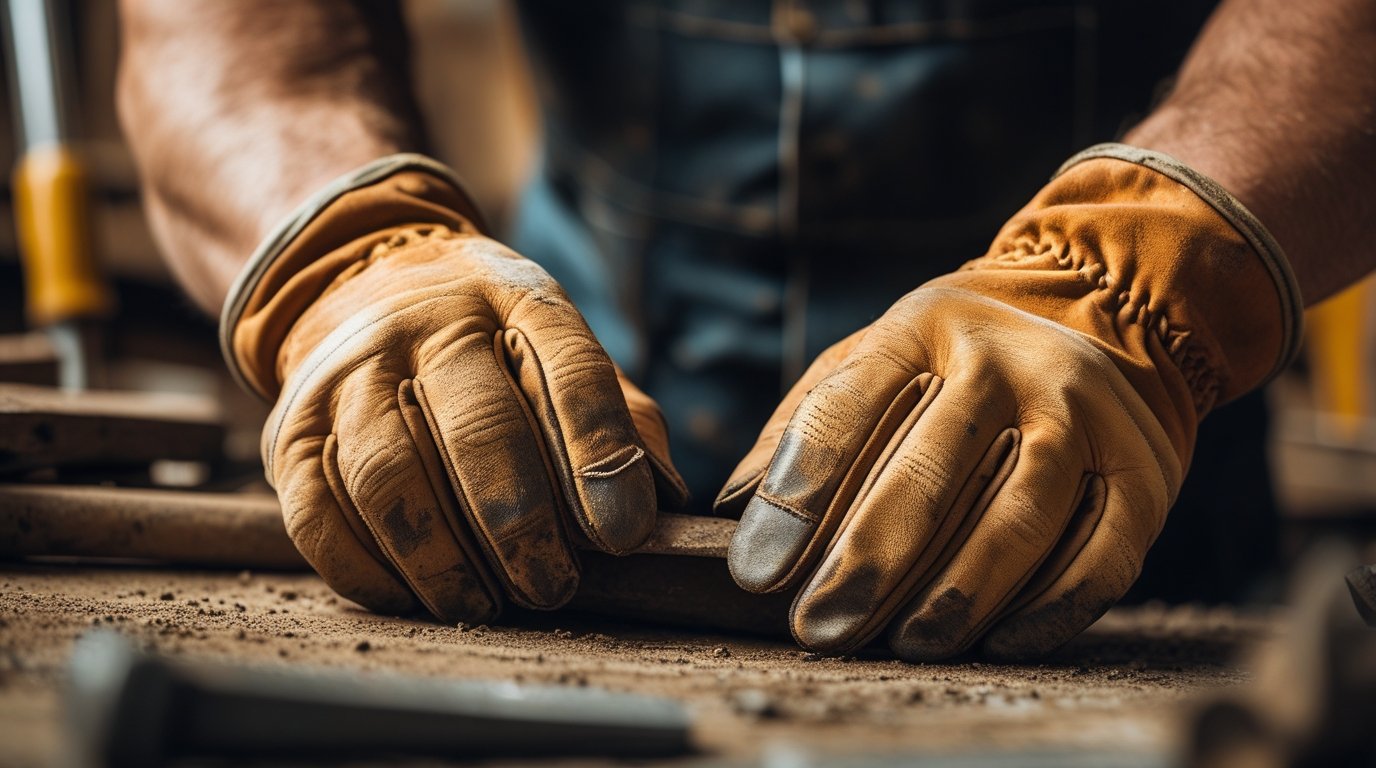
In various industries, gloves at work serve as a fundamental safety measure to protect workers from potential hazards. Whether in healthcare, construction, food service, or manufacturing, the right gloves can make all the difference in ensuring the safety and well-being of employees. Workers who handle hazardous materials, machinery, or even food need gloves to shield their hands from injury, contamination, or exposure to harmful substances. In this article, we will explore the importance of gloves at work, the different types available, and best practices for choosing the right gloves for various jobs. We will also discuss how to properly use, maintain, and dispose of gloves to maximize safety.
The Role of Gloves at Work: Protection and Safety
When it comes to workplace safety, gloves at work are more than just an accessory—they are essential tools that protect workers’ hands from a wide range of physical, chemical, and biological hazards. Depending on the type of work, gloves can provide protection from:
1. Physical Hazards
In industries such as construction, manufacturing, or logistics, employees may be exposed to physical hazards such as sharp objects, heavy equipment, or rough surfaces. Gloves at work serve as a barrier to prevent cuts, abrasions, and blisters caused by handling sharp materials or rough surfaces. Whether it’s using heavy machinery or working with tools, gloves help protect workers from these physical risks.
2. Chemical Hazards
In sectors like chemical manufacturing, cleaning, or agriculture, workers often come into contact with harmful chemicals, cleaning agents, or pesticides. Gloves at work are crucial in preventing chemical burns, skin irritation, or absorption of hazardous substances through the skin. Gloves made of specific materials like nitrile, latex, or rubber provide protection from a variety of chemical substances.
3. Biological Hazards
In healthcare settings, laboratories, or food processing industries, workers are exposed to biological hazards, including bacteria, viruses, and fungi. Wearing gloves helps prevent cross-contamination and reduces the risk of exposure to bloodborne pathogens or other harmful microorganisms. Gloves at work are particularly vital for maintaining hygiene and protecting both workers and the public.
4. Thermal Hazards
Workers who handle hot objects or work in environments with extreme temperatures, such as kitchen staff or metal workers, need gloves that protect against burns or frostbite. Gloves at work made of heat-resistant or insulated materials can protect workers from thermal injuries, ensuring their safety while handling hot surfaces or equipment.
5. Electrostatic Hazards
In some industries, like electronics manufacturing, workers need gloves that prevent static electricity from damaging sensitive components. Specialized anti-static gloves help avoid electrostatic discharge (ESD), which can cause irreversible damage to electronic equipment.
Types of Gloves at Work: Finding the Right Fit
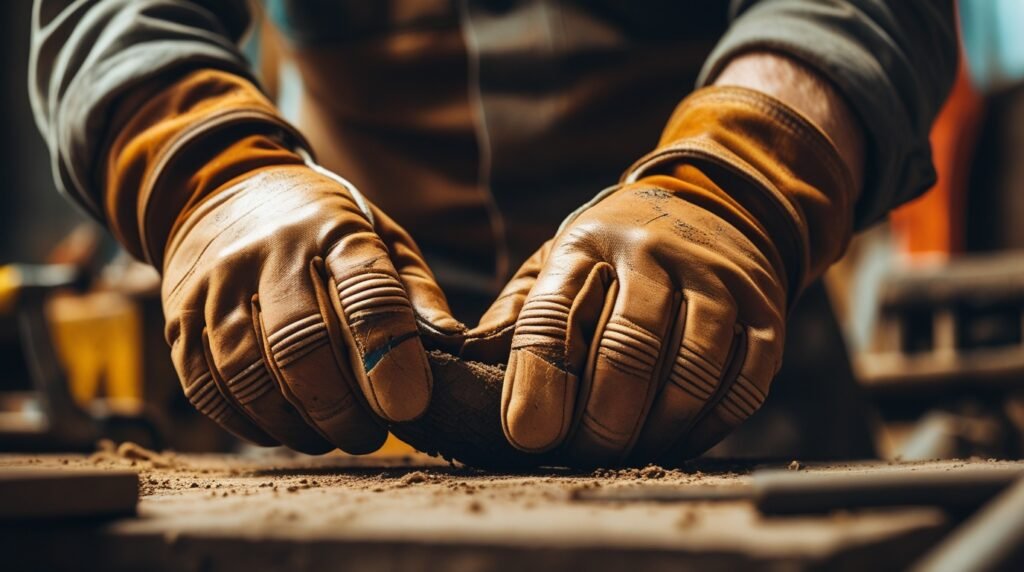
Not all gloves at work are created equal. The type of glove you need depends largely on the industry you work in and the specific hazards you face. There are many types of work gloves, each designed for different protection levels and tasks. Let’s take a closer look at the most common types of gloves used in various industries.
1. Work Gloves for Construction
Construction workers need gloves at work that provide protection against rough surfaces, sharp objects, and physical impacts. Leather gloves are one of the most commonly used types in this field due to their durability and resistance to abrasions. Some construction gloves may also feature reinforced padding in areas like the palms or fingers to reduce the risk of injuries while handling tools or heavy materials. Additionally, gloves made from synthetic materials like Kevlar offer added protection against cuts and punctures.
2. Rubber and Nitrile Gloves for Chemical Protection
In industries like healthcare, manufacturing, and cleaning, gloves at work must be resistant to chemicals and other hazardous substances. Nitrile gloves are commonly used because they offer excellent protection against oils, acids, and solvents, making them ideal for handling chemicals. Rubber gloves, particularly those made from latex or neoprene, are also effective in protecting against a wide range of chemicals. When choosing gloves for chemical protection, it’s essential to select gloves that are rated for the specific chemicals being handled.
3. Latex Gloves for Medical and Food Service Workers
Latex gloves are a staple in healthcare and food service industries. In healthcare, these gloves provide protection from biological hazards and contamination while allowing workers to perform delicate tasks with precision. For food service workers, latex gloves offer a barrier between hands and food, ensuring hygiene and safety. However, latex allergies are a concern for some people, so alternative materials like nitrile and vinyl are used in these situations.
4. Heat-Resistant Gloves for High-Temperature Work
For workers in kitchens, welding, and metalworking, heat-resistant gloves are essential. These gloves are typically made from materials like Kevlar, cotton, or leather, and they provide protection against burns caused by hot surfaces or flames. In kitchens, heat-resistant gloves help workers handle hot pans, ovens, and grills safely, while in industries like welding, these gloves offer protection from molten metal and extreme temperatures.
5. Anti-Static Gloves for Electronics
In the electronics manufacturing industry, workers must use anti-static gloves to prevent electrostatic discharge (ESD) from damaging sensitive components. These gloves are designed with conductive materials that dissipate static electricity and prevent the buildup of static charge. They are essential in cleanroom environments where even the smallest charge could compromise the quality of electronic products.
6. Puncture-Resistant Gloves for Hazardous Materials
In industries where workers handle sharp or hazardous materials, puncture-resistant gloves are essential. These gloves are made from materials like metal mesh or puncture-resistant fabrics, providing protection from cuts and punctures that could lead to injuries. Workers in fields like construction, demolition, or waste management benefit from puncture-resistant gloves to safely handle sharp objects and debris.
How to Choose the Right Gloves at Work
Selecting the right gloves at work is crucial to ensuring both safety and comfort. There are several factors to consider when choosing work gloves, including the type of hazard, the material, and the fit.
1. Consider the Work Environment
When choosing gloves at work, the first step is to assess the work environment and the specific hazards you face. If you’re working with chemicals, ensure the gloves you select are resistant to those substances. If you’re working in construction or dealing with sharp objects, opt for gloves with reinforced palms or cut-resistant materials.
2. Material Matters
Different glove materials provide different levels of protection. For instance, nitrile gloves are ideal for chemical protection, while leather gloves offer durability and protection against physical hazards. It’s important to choose gloves made from the right material to provide the necessary protection for your specific work situation.
3. Fit and Comfort
Fit is an important consideration when selecting gloves at work. Ill-fitting gloves can reduce dexterity and comfort, leading to mistakes and accidents. If you need to handle small parts or operate machinery, you may want gloves that offer tactile sensitivity and flexibility.
4. Durability and Protection
The level of durability needed depends on the type of work you do. If you’re handling heavy equipment or tools, choose gloves at work that are built for durability and can withstand physical wear and tear. In situations where the risk of chemical exposure is high, prioritize gloves that offer superior chemical resistance.
Best Practices for Gloves at Work: Usage and Maintenance
Once you’ve selected the right gloves, it’s essential to follow best practices for proper use and maintenance to ensure they continue to protect you effectively. Here are some tips for using and maintaining gloves at work:
1. Proper Usage
Always ensure that you are using the correct gloves for the task at hand. Wearing the wrong gloves can lead to injury. For instance, using rubber gloves while handling sharp objects or wearing leather gloves when dealing with chemicals can be hazardous. Make sure that your gloves cover your hands completely and are in good condition before use.
2. Glove Maintenance
To extend the lifespan of your gloves, make sure to clean and maintain them regularly. After use, wash gloves as per the manufacturer’s instructions to prevent damage or contamination. If gloves are reusable, inspect them for wear and tear regularly to ensure they still offer the protection you need.
3. Disposal of Gloves
For single-use gloves, proper disposal is critical, especially if they have been exposed to hazardous materials. Always dispose of gloves in appropriate waste containers, and if you work in a medical or chemical environment, follow specific disposal protocols. Never reuse single-use gloves, as they lose their protective properties after one use.
4. Avoid Cross-Contamination
In environments like healthcare or food service, gloves are essential for preventing cross-contamination. Always remove gloves carefully to avoid contaminating your hands or other surfaces. Wash your hands immediately after removing gloves to ensure you’re not carrying harmful substances.
Conclusion
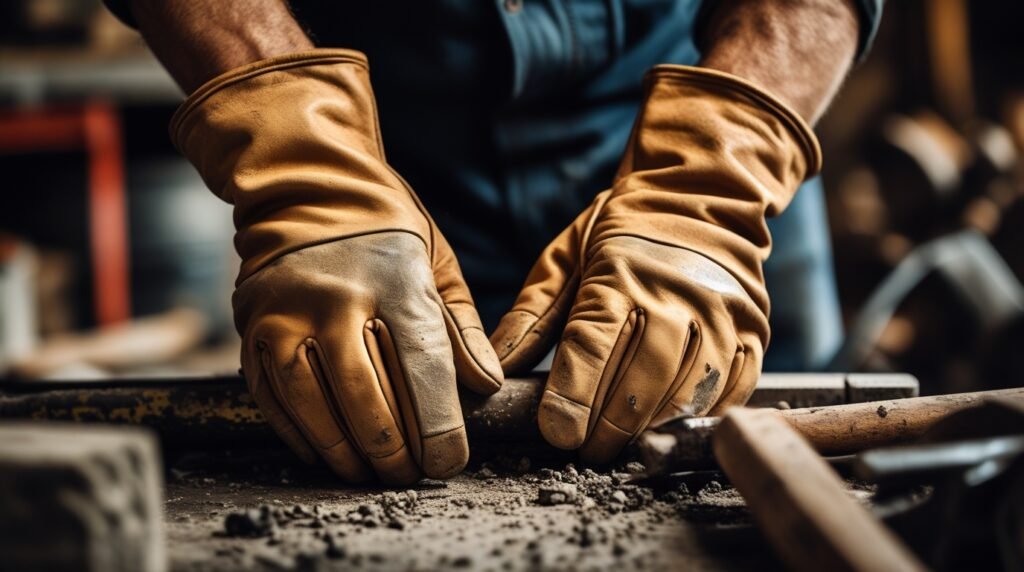
Gloves at work are a crucial part of workplace safety, offering essential protection against physical, chemical, biological, and thermal hazards. Choosing the right gloves for the job can make all the difference in preventing injury and maintaining safety standards. Whether you’re working in construction, healthcare, food service, or electronics, it’s essential to understand the importance of gloves and how to select, use, and maintain them properly. By adhering to safety protocols and best practices for gloves at work, you can protect yourself from workplace hazards and contribute to a safer environment for everyone.
FAQs
Q: Why are gloves important in the workplace?
Gloves are important in the workplace because they protect workers from various hazards, including physical injuries, chemical exposure, biological contaminants, and thermal burns. They help ensure safety and hygiene across multiple industries.
Q: How do I choose the right gloves for my job?
To choose the right gloves, consider the specific hazards of your job. Look for gloves made from materials that offer protection against those hazards, such as nitrile for chemicals or leather for cuts and abrasions.
Q: How should I maintain my work gloves?
To maintain your work gloves, clean them according to the manufacturer’s instructions, inspect them for damage, and replace them if they show signs of wear or if their protective properties are compromised.
Q: Can I reuse disposable gloves?
No, disposable gloves should not be reused. They are designed for single use only and may no longer provide adequate protection after being worn. Always dispose of them properly after use.
Q: Are there gloves for high-temperature environments?
Yes, heat-resistant gloves are designed specifically for high-temperature environments. They are made from materials like Kevlar, cotton, and leather to protect workers from burns and thermal injuries when handling hot materials or working with fire.