









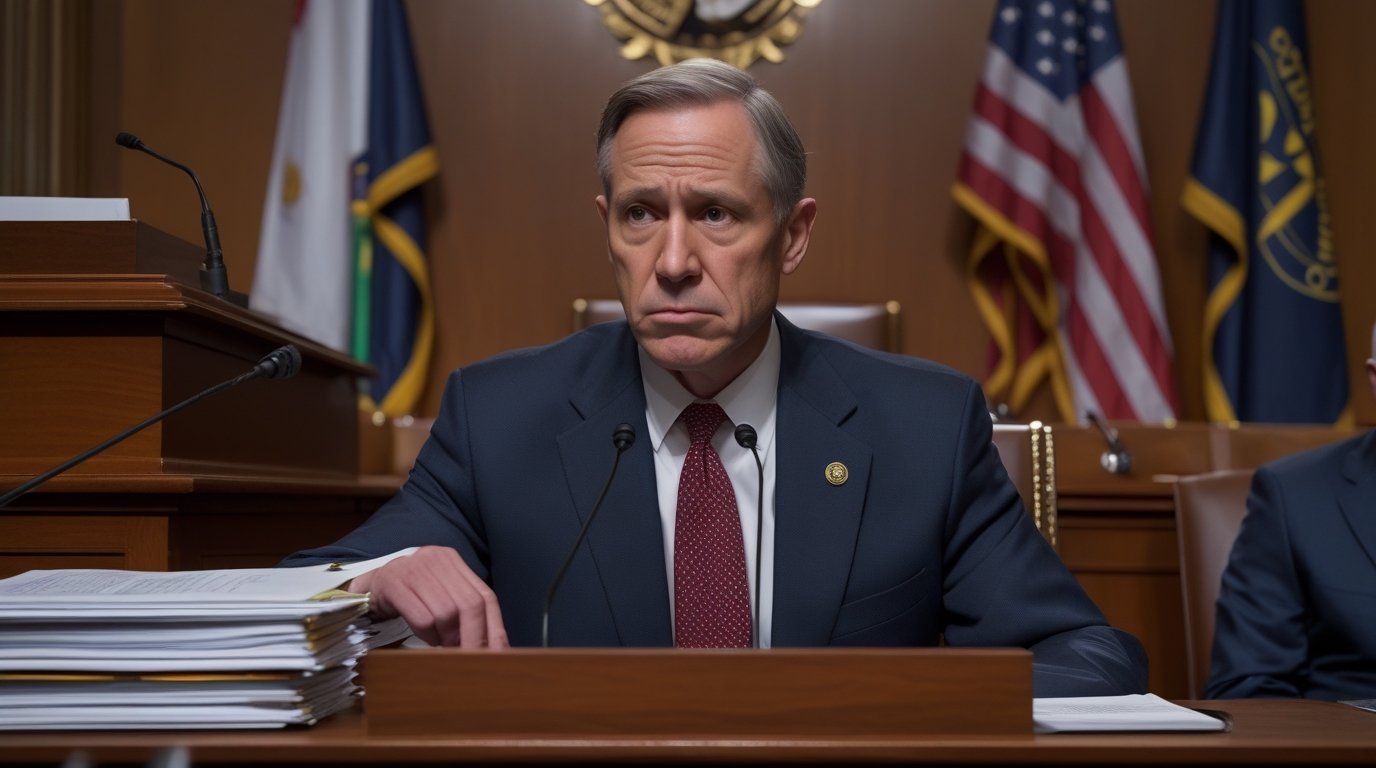
Senator Questions a $7.5 Million Payment to Equatorial Guinea’s Government: In recent weeks, a significant political and financial controversy has arisen over a $7.5 million payment made to the government of Equatorial Guinea. A U.S. senator has publicly raised concerns about the legitimacy and purpose of this transaction, questioning its transparency and the motivations behind it. With the growing spotlight on Equatorial Guinea’s government and its ties to various international actors, this development has prompted widespread debate. In this article, we will explore the senator’s concerns, the context of the payment, and its implications for both U.S. foreign policy and international relations.
The $7.5 Million Payment: What We Know So Far
Senator Questions a $7.5 Million Payment to Equatorial Guinea’s Government: The payment of $7.5 million to Equatorial Guinea’s government has drawn the attention of U.S. lawmakers and international watchdog organizations. The payment’s exact purpose and the conditions under which it was made remain unclear, leading to questions about whether the funds will be used for legitimate government purposes or if they will contribute to the enrichment of the country’s controversial leadership. Equatorial Guinea, a small West African country, is notorious for its authoritarian regime under President Teodoro Obiang Nguema, who has ruled the nation since 1979.
Senator John Smith, a vocal critic of U.S. foreign aid to countries with questionable human rights records, was the first to bring the $7.5 million payment into the public eye. During a Senate hearing, Smith asked pointed questions about the nature of the payment and whether the funds were part of an effort to secure favorable treatment from Equatorial Guinea’s government. While details about the specific transaction remain sparse, this inquiry is part of a broader push for greater oversight on foreign aid and transactions involving U.S. taxpayers’ money.
The Significance of Equatorial Guinea’s Political Landscape
Senator Questions a $7.5 Million Payment to Equatorial Guinea’s Government: Before diving into the details of the payment, it is essential to understand the political landscape of Equatorial Guinea. The country has been ruled by President Teodoro Obiang for more than four decades, making him one of the longest-serving heads of state in Africa. Under his rule, Equatorial Guinea has faced significant international scrutiny for its poor human rights record, widespread corruption, and lack of political freedoms.
Senator Questions a $7.5 Million Payment to Equatorial Guinea’s Government: Despite its small size and relatively low population, Equatorial Guinea is an oil-rich nation, which has provided the government with substantial revenues. However, much of the country’s wealth has been concentrated in the hands of the ruling elite, while the general population continues to live in poverty. International organizations have repeatedly criticized the government for using its oil wealth to enrich the Obiang family and suppress political opposition.
The Senator’s Concerns: Transparency and Accountability
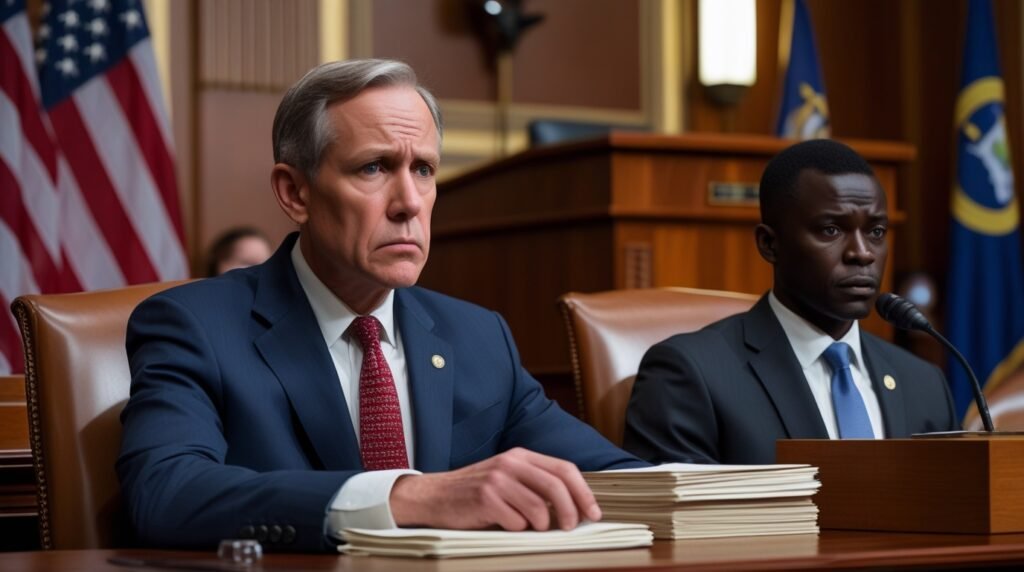
Senator Questions a $7.5 Million Payment to Equatorial Guinea’s Government: Senator Smith’s concerns about the $7.5 million payment stem from the lack of transparency surrounding the transaction. In his statement, the senator emphasized that U.S. taxpayers should not be funding governments with dubious records on human rights, democracy, and governance. He further pointed out that there have been instances in the past where payments and foreign aid to Equatorial Guinea have been misused or funneled into the pockets of government officials instead of benefiting the country’s citizens.
Smith’s questioning comes in the wake of increased calls for greater accountability in foreign aid spending. With billions of dollars in U.S. taxpayer money directed toward foreign governments each year, critics argue that more stringent oversight mechanisms are necessary to ensure these funds are used for their intended purposes. This sentiment has been echoed by various international organizations, such as Human Rights Watch and Amnesty International, which have consistently flagged issues related to corruption and mismanagement within Equatorial Guinea’s government.
The Role of the U.S. Government in Equatorial Guinea’s Affairs
The U.S. government has long maintained diplomatic and economic relations with Equatorial Guinea, primarily due to the country’s vast oil reserves. American oil companies, including ExxonMobil, have significant investments in the country, making Equatorial Guinea an important player in the global energy market. The U.S. has also provided various forms of assistance to the government, including economic aid, development support, and military training.
However, the relationship between the U.S. and Equatorial Guinea has often been criticized for prioritizing economic interests over human rights concerns. Some critics argue that the U.S. has turned a blind eye to the regime’s authoritarian practices in exchange for favorable business opportunities in the oil sector. Senator Smith’s questioning of the $7.5 million payment is a reflection of growing discontent among lawmakers who believe that the U.S. should reassess its approach to foreign aid, particularly when it comes to regimes with poor human rights records.
Potential Implications of the Payment
Senator Questions a $7.5 Million Payment to Equatorial Guinea’s Government: The implications of the $7.5 million payment are far-reaching. For one, it could signal a shift in U.S. foreign policy toward more stringent oversight of aid to countries like Equatorial Guinea. If the payment is proven to have been misused or if it can be linked to corrupt activities within the government, it may prompt further scrutiny of U.S. business dealings with Equatorial Guinea. This could have a ripple effect on American companies operating in the region, particularly in the energy sector.
Additionally, the payment could have a lasting impact on Equatorial Guinea’s international standing. Despite its wealth, the country has struggled with global isolation due to its authoritarian regime and poor human rights record. The controversy surrounding the $7.5 million payment could lead to more calls for sanctions or diplomatic pressure aimed at encouraging democratic reforms in the country.
Investigating the $7.5 Million Payment: What’s Next?
As the controversy continues to unfold, several key questions remain unanswered. Was the $7.5 million payment part of a larger contract or deal between the U.S. and Equatorial Guinea? If so, what were the terms of that agreement, and how will the funds be used? These are the questions that Senator Smith and other lawmakers hope to address through further investigations.
Senator Questions a $7.5 Million Payment to Equatorial Guinea’s Government: In the coming weeks, it is likely that more information will emerge about the nature of the payment and the reasons behind it. Congress may hold additional hearings, and U.S. officials may be asked to testify about their involvement in the transaction. Depending on the findings, this could lead to new policies or regulations aimed at improving transparency and accountability in U.S. foreign aid.
The Broader Context: U.S. Foreign Aid and Accountability
The case of the $7.5 million payment to Equatorial Guinea is part of a larger debate about the effectiveness and accountability of U.S. foreign aid. Every year, the U.S. government directs billions of dollars in foreign assistance to countries around the world, but critics argue that this aid is often squandered or misused by corrupt governments. In the case of Equatorial Guinea, there is concern that the funds could further entrench the power of the ruling elite rather than benefiting the broader population.
Senator Questions a $7.5 Million Payment to Equatorial Guinea’s Government: One of the core principles behind foreign aid is that it should serve as a tool for fostering economic development, supporting democracy, and improving the quality of life for citizens in recipient countries. However, when aid is directed toward regimes with questionable track records on governance, it raises important ethical questions. Should the U.S. continue to provide financial assistance to countries that violate human rights or suppress political opposition?
The issue of accountability is particularly pressing when it comes to foreign aid. Governments and organizations that distribute aid must ensure that funds are used as intended and not diverted into the hands of corrupt officials or used to perpetuate authoritarian regimes. In recent years, there have been efforts to increase oversight of foreign aid, including more stringent reporting requirements for recipient governments and independent audits to track how funds are spent.
How the U.S. Can Improve Foreign Aid Transparency
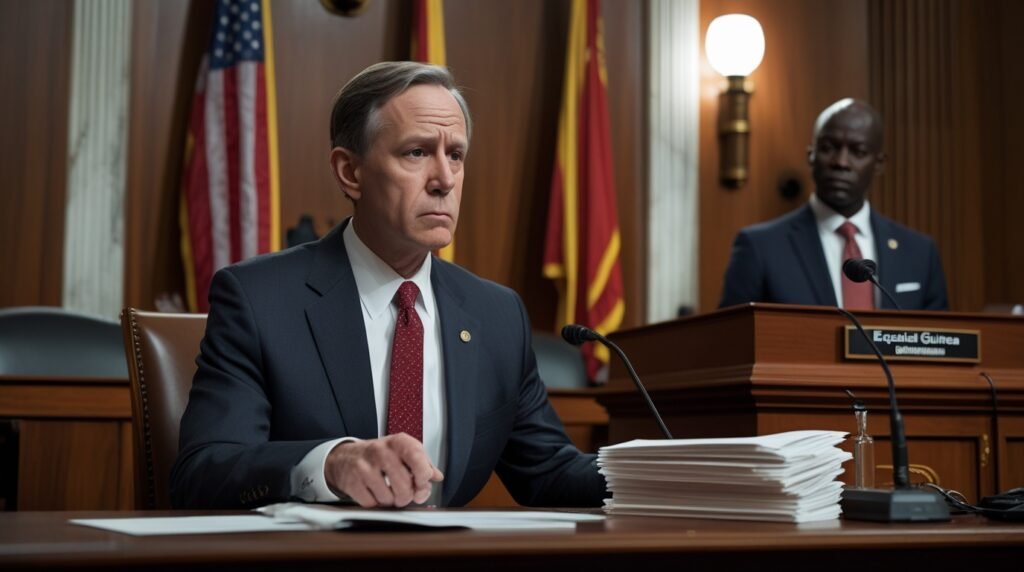
Senator Questions a $7.5 Million Payment to Equatorial Guinea’s Government: To prevent situations like the $7.5 million payment to Equatorial Guinea, several steps can be taken to improve the transparency and accountability of U.S. foreign aid. These include:
- Stronger Oversight Mechanisms: Increasing the role of independent auditors and watchdog organizations to ensure that aid is being used appropriately.
- Conditional Aid: Tying foreign aid to specific reforms or conditions, such as improvements in human rights, governance, and democratic practices.
- Greater Public Disclosure: Requiring greater transparency in government contracts and transactions with foreign governments.
- Enhanced Diplomatic Engagement: Using diplomatic channels to encourage recipient countries to adopt better governance practices and to hold them accountable for misuse of aid.
By implementing these measures, the U.S. can ensure that foreign aid serves its intended purpose and supports global development efforts rather than enriching corrupt regimes.
Conclusion on Senator Questions a $7.5 Million Payment to Equatorial Guinea’s Government
The Senator Questions a $7.5 Million Payment to Equatorial Guinea’s Government government has sparked an important debate about the effectiveness and accountability of U.S. foreign aid. While the details of the payment remain unclear, the growing concerns about corruption and mismanagement in Equatorial Guinea’s government highlight the need for greater oversight in international financial transactions. As the investigation continues, it is essential for U.S. lawmakers and foreign policy experts to carefully consider the implications of such payments and work toward a more transparent and accountable approach to foreign aid. By doing so, the U.S. can better align its foreign policy with its values and ensure that taxpayer money is used for the greater good.
FAQs on Senator Questions a $7.5 Million Payment to Equatorial Guinea’s Government
What is the $7.5 million payment to Equatorial Guinea’s government for?
The exact purpose of the $7.5 million payment is unclear, but it has raised concerns due to the lack of transparency and the authoritarian nature of Equatorial Guinea’s government.
Why is the U.S. senator questioning the payment?
Senator Smith is questioning the payment because of concerns about the legitimacy of the transaction and the potential for the funds to be misused by the ruling elite in Equatorial Guinea.
How does this payment relate to U.S. foreign aid?
The payment is part of a broader debate on U.S. foreign aid and its effectiveness in countries with poor human rights records. It raises questions about whether such funds should be directed toward regimes with questionable governance practices.
What can be done to improve U.S. foreign aid transparency?
Improving transparency in foreign aid can be achieved through stronger oversight mechanisms, conditional aid, greater public disclosure, and enhanced diplomatic engagement.