
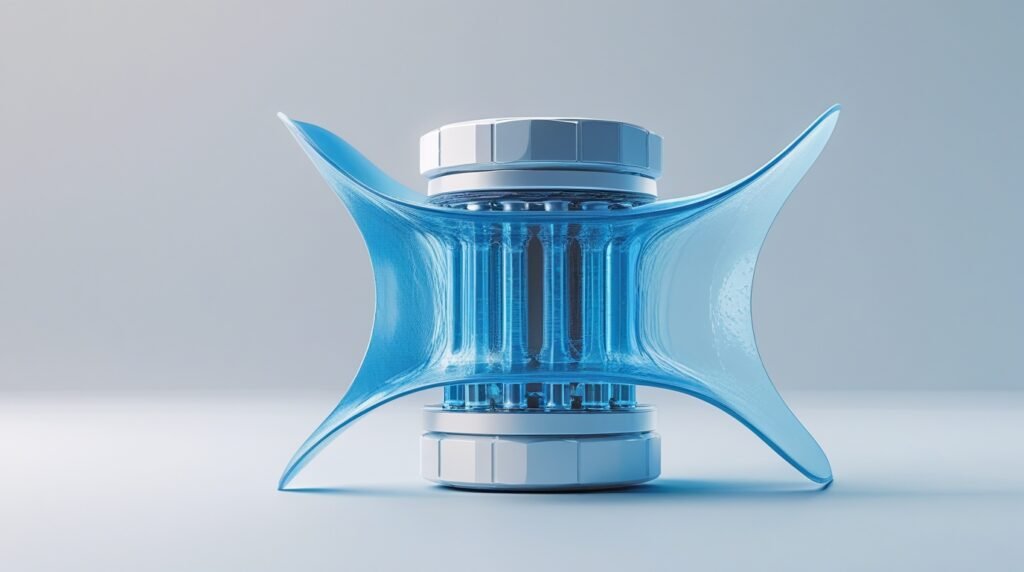
The concept of a simcell with a water permeable membrane sits at the fascinating intersection of biology, chemistry, and synthetic systems engineering. Whether you are a student, researcher, educator, or innovator in biotechnology, this topic represents one of the most practical ways scientists explore how living cells regulate water, exchange materials, and maintain internal balance. In simple terms, a simcell is a simulated or synthetic cell model, and when combined with a water permeable membrane, it becomes a powerful tool for studying osmosis, diffusion, cellular transport, and life-like behavior without using living organisms.
This guide explains exactly what a simcell with a water permeable membrane is, how it works, why it matters, and where it is being applied today. You will also learn the underlying science, real-world use cases, design principles, advantages, limitations, and future directions, all explained clearly and practically.
What Is a Simcell With a Water Permeable Membrane?
A simcell, short for simulated cell or synthetic cell model, is an artificial structure designed to mimic specific biological behaviors of living cells. When researchers talk about a simcell with a water permeable membrane, they mean a tiny enclosed system surrounded by a selectively permeable barrier that allows water molecules to pass through while controlling the movement of other substances.
This membrane behaves similarly to a biological cell membrane. Water moves freely across it through osmosis, while salts, sugars, proteins, or other molecules are restricted or regulated depending on membrane design. The simcell itself may contain solutions, enzymes, or reaction systems that respond to environmental changes.
Unlike living cells, simcells do not reproduce or metabolize independently. Their purpose is to provide a controllable environment for studying cellular mechanics without ethical or biological constraints.
Why Water Permeability Matters in Simcells
Water permeability is not a minor feature. It is the foundation of cellular life and artificial cellular modeling. Every living cell relies on water transport to regulate volume, maintain pressure, and support biochemical reactions.
In a simcell with a water permeable membrane, water movement enables researchers to observe:
Osmotic pressure changes
Membrane tension behavior
Volume regulation
Solute concentration effects
Mechanical stability of membranes
By controlling external and internal conditions, scientists can replicate hypotonic, hypertonic, and isotonic environments and directly observe how the simcell responds.
This makes simcells ideal for teaching osmosis in classrooms and for conducting advanced synthetic biology experiments.
The Science Behind Water Permeable Membranes
At the core of every simcell is a semipermeable membrane. Most designs are inspired by phospholipid bilayers, the same structure found in biological cells. These membranes are composed of molecules with hydrophilic heads and hydrophobic tails, forming a barrier that selectively allows water molecules to pass while blocking larger or charged particles.
Water permeability occurs through passive diffusion or through specialized membrane pores depending on design. In biological systems, proteins called aquaporins facilitate rapid water transport. In simcells, permeability is usually engineered using polymer membranes, lipid vesicles, or hydrogel layers.
The driving force behind water movement is osmosis, which occurs when there is a difference in solute concentration across the membrane. Water naturally flows toward the side with higher solute concentration to equalize pressure.
This simple principle allows simcells to demonstrate complex behaviors such as swelling, shrinking, bursting, or stabilizing.

Key Components of a Simcell System
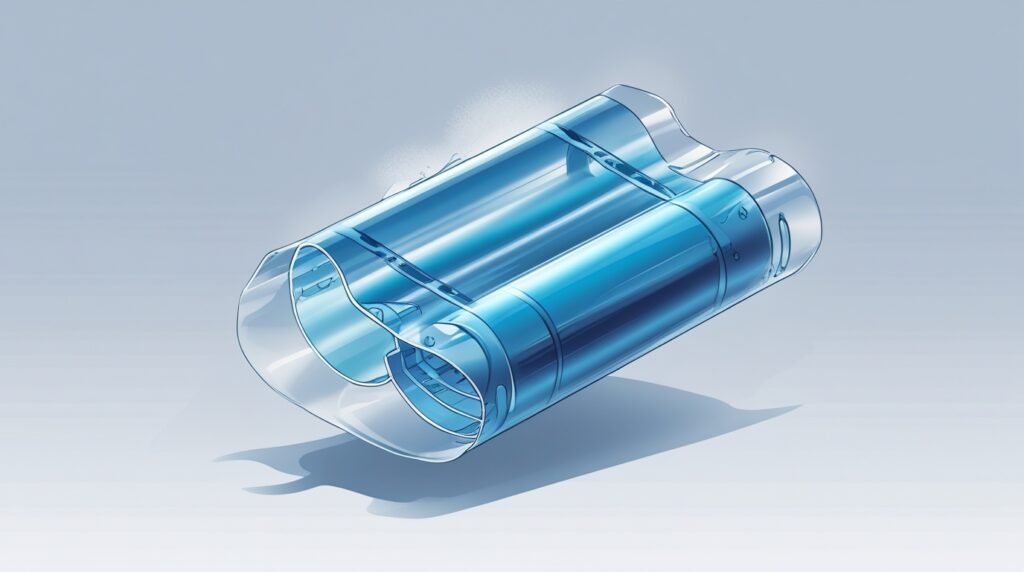
A functional simcell with a water permeable membrane typically includes several core elements.
The membrane itself, usually made from lipid bilayers, polymers, or hybrid materials
An internal aqueous solution containing salts, buffers, or reactants
An external solution that controls osmotic conditions
Optional embedded molecules such as enzymes or fluorescent markers
Together, these components form a miniature experimental platform that behaves predictably under controlled conditions.
Common Types of Water Permeable Simcells
There is no single universal design. Researchers use several simcell architectures depending on application.
Lipid vesicle simcells resemble biological cells most closely and are widely used in synthetic biology. Polymer-based simcells offer higher mechanical strength and stability. Hydrogel simcells allow slow diffusion and are useful in drug delivery studies. Hybrid systems combine lipid membranes with synthetic scaffolds for added control.
Each type offers different permeability rates, durability, and compatibility with internal reactions.
Educational Applications of Simcells
One of the most powerful uses of a simcell with a water permeable membrane is education. Instead of relying solely on diagrams or live specimens, teachers can demonstrate osmosis and membrane transport using visible, controllable simcells.
Students can observe how simcells swell in distilled water and shrink in salt solutions. They can measure volume changes, calculate osmotic pressure, and directly connect theory with observation. This hands-on approach dramatically improves comprehension of cell biology fundamentals.
Simcells also remove ethical concerns associated with animal or human cell use in classrooms.
Research Applications in Synthetic Biology
In synthetic biology, simcells are used as testbeds for building life-like systems. Scientists insert biochemical circuits into simcells to study how reactions behave in confined environments.
This field is closely aligned with organizations like Massachusetts Institute of Technology and European Molecular Biology Laboratory, where researchers explore artificial cell systems to understand minimal life requirements.
Simcells help answer questions such as:
What is the minimum structure needed for cellular behavior
How membranes influence reaction efficiency
How compartmentalization affects chemical pathways
These insights guide everything from origin-of-life studies to programmable biological machines.
Medical and Pharmaceutical Potential
A simcell with a water permeable membrane also plays a growing role in medical research. Drug developers use simcell models to test how medications diffuse across membranes and how osmotic conditions affect delivery efficiency.
Some experimental therapies use simcell-like structures to encapsulate drugs, protecting them until they reach specific tissues. Because water can pass through while drugs remain enclosed, these systems can release medication gradually in response to environmental conditions.
This approach improves targeting and reduces side effects compared to traditional delivery methods.
Environmental and Industrial Uses
Outside medicine and education, simcells are being explored for environmental sensing and chemical processing. Encapsulated reaction systems can detect pollutants or change color when exposed to toxins.
Industrial researchers use simcells to test membrane materials for filtration and desalination. Understanding how water permeates artificial membranes helps engineers design more efficient purification systems.
Advantages of Using Simcells
A simcell with a water permeable membrane offers several practical advantages over living cells.
They are stable and reproducible
They require no nutrients or sterile culture
They allow precise control of internal chemistry
They eliminate biological variability
They reduce ethical concerns
These benefits make simcells ideal for controlled experiments and scalable applications.
Limitations and Challenges
Despite their usefulness, simcells are not perfect replacements for living cells. They lack active transport systems unless artificially added. They do not repair themselves. Their membranes may degrade over time. Complex cellular signaling networks are difficult to replicate.
Water permeability must also be carefully balanced. Too much permeability leads to instability, while too little prevents meaningful exchange.
Researchers continue refining materials and structures to overcome these challenges.
How to Design a Basic Simcell Experiment
If you are an educator or researcher, creating a simple simcell setup is surprisingly accessible.
Start with lipid vesicles or polymer capsules as your membrane. Fill them with a colored or fluorescent solution. Place them in external solutions of varying salt concentration. Observe volume changes under a microscope or even with the naked eye for larger capsules.
By measuring size changes over time, you can quantify osmotic behavior and membrane performance.
This hands-on method provides immediate insight into how a simcell with a water permeable membrane behaves under real conditions.
Future Directions of Simcell Technology
The future of simcells is deeply connected to advances in materials science and synthetic biology. Researchers are developing membranes with programmable permeability, responsive to light, temperature, or chemical signals.
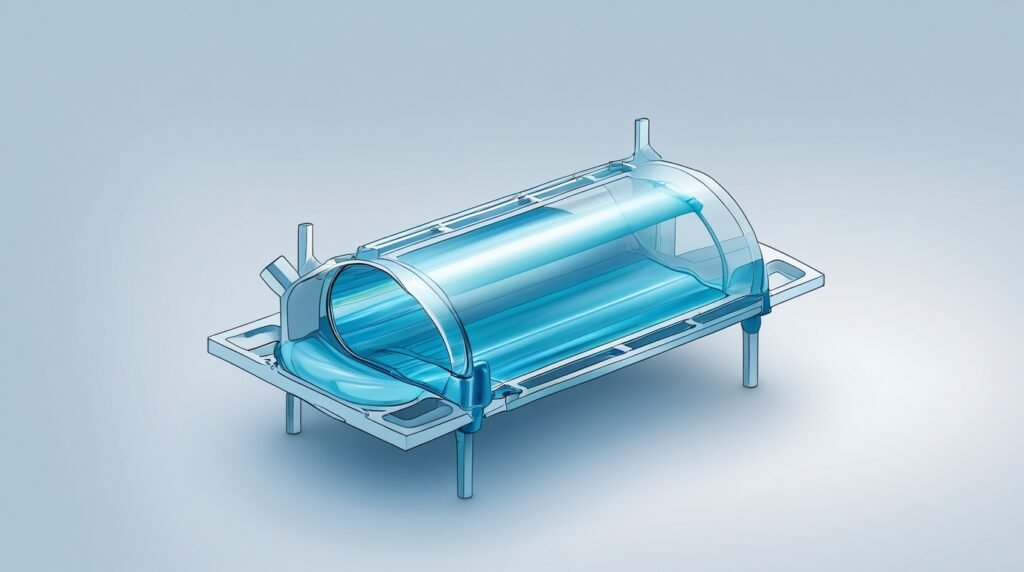
Some labs are working on simcells that perform logic operations or energy conversion. Others aim to integrate artificial organelles inside simcells, creating multi-compartment systems that resemble true cellular complexity.
These innovations could lead to smart drug carriers, living materials, and autonomous biochemical factories.
Ethical and Societal Considerations
As simcells become more advanced, ethical discussions are emerging. While simcells are not alive, their increasing complexity raises questions about boundaries between living and non-living systems.
Clear regulations and transparent research practices will be essential as this technology evolves.
Practical Takeaways for Professionals and Students
If you are studying biology, simcells offer a safe and visual way to master membrane transport concepts. If you work in biotech or materials science, they provide a modular platform for testing permeability and reaction dynamics. For educators, simcells bring abstract cellular processes into tangible reality.
Understanding a simcell with a water permeable membrane is not just academic. It is foundational to future innovations in healthcare, sustainability, and artificial life systems.
Conclusion
A simcell with a water permeable membrane represents one of the most elegant tools in modern science. By combining simple physical principles with advanced materials, simcells allow us to explore how cells manage water, maintain balance, and support internal reactions. From classrooms to research labs to pharmaceutical development, these artificial systems bridge theory and practice in powerful ways.
As membrane technology and synthetic biology continue to advance, simcells will only grow more sophisticated and more impactful. Whether you are learning the basics of osmosis or designing next-generation biomedical systems, understanding this concept puts you at the forefront of an exciting scientific frontier.
Frequently Asked Questions
Is a simcell considered a living organism?
No. A simcell is an artificial structure and does not possess metabolism, reproduction, or consciousness.
Why is water permeability essential in simcells?
Water permeability enables osmotic balance and allows researchers to study volume regulation and membrane behavior.
Can simcells be used in drug delivery?
Yes. Experimental systems already use simcell-like structures to encapsulate and release drugs gradually.
Are simcells safe for classroom use?
Yes. They contain no living material and are widely considered safe educational tools.
What is the biggest challenge in simcell design?
Balancing membrane stability with controlled permeability remains the primary technical challenge.
If you’d like next steps, I can also provide Product schema, educational diagrams, classroom experiment guides, or research-level comparisons.