
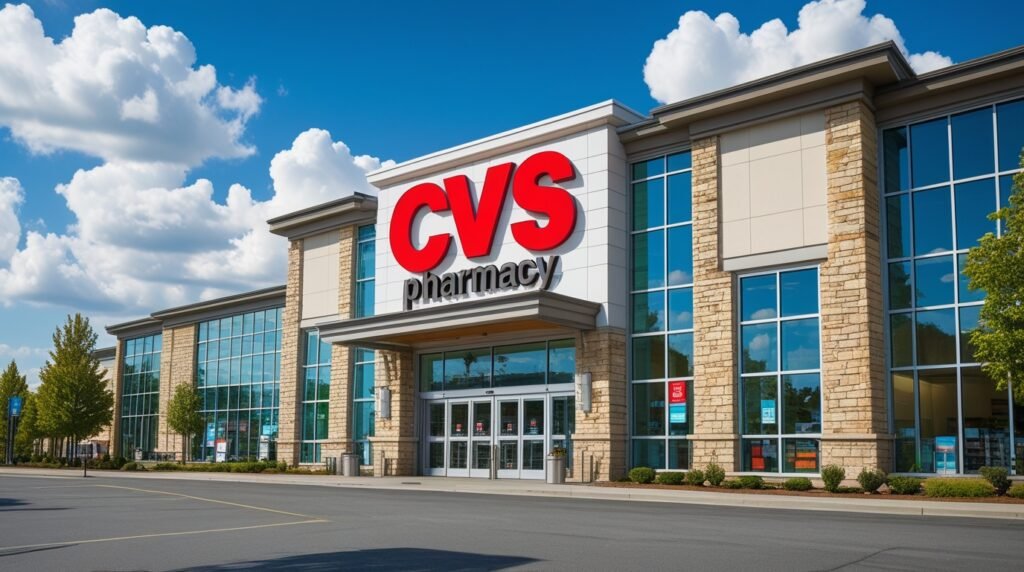
In the fast-paced world of modern healthcare, CVS Health stands as a pivotal figure. What began as a small retail pharmacy in Lowell, Massachusetts, has transformed into one of the most influential and expansive healthcare providers in the United States. With its comprehensive range of services from retail pharmacy to telemedicine, CVS Health has played a significant role in reshaping how healthcare is delivered across the nation.
This article will dive into the evolution of CVS Health, its offerings, its pivotal role during the COVID-19 pandemic, and its commitment to improving public health through accessible and sustainable practices. By understanding its history, current operations, and contributions to the healthcare sector, you will see why CVS Health has earned its place as a healthcare leader.
The History of CVS Health
CVS Health’s roots trace back to 1963, when it was originally known as Consumer Value Store. The company’s primary focus was on providing health and beauty products at affordable prices. As the company expanded throughout the 1960s and 1970s, it shifted its focus toward providing prescription medications and health-related services.
In 2007, CVS made a groundbreaking move by acquiring Caremark, a leading pharmacy benefit management (PBM) company. This acquisition allowed CVS to provide more integrated healthcare services, from medication management to health insurance. In 2014, CVS made another bold move by becoming the first major pharmacy chain to remove tobacco products from its shelves, reinforcing its commitment to public health.
By 2015, CVS had transformed into CVS Health, reflecting its expanded focus beyond just retail pharmacy to a broader, healthcare-focused business model. The company’s growth has been steady, and its commitment to innovation has positioned it as a leader in the healthcare sector.
Key Services Offered by CVS Health
Today, CVS Health is a multifaceted healthcare provider, offering a wide variety of services to meet the evolving needs of its customers. Let’s take a closer look at these services and their role in shaping the company’s success.
| Service | Description | Key Features |
|---|---|---|
| Retail Pharmacy | CVS operates over 9,900 retail pharmacies across the U.S. offering prescriptions, over-the-counter medications, and wellness services. | Prescription filling, health consultations, vaccinations, medication reviews. |
| MinuteClinic | Walk-in clinics inside CVS stores offering basic healthcare services such as treatment for common illnesses and injuries, vaccinations, and screenings. | Urgent care, flu shots, cholesterol screenings, women’s health exams. |
| Pharmacy Benefit Management (PBM) | CVS’s PBM service, through its acquisition of Caremark, helps manage prescription drug benefits for employers, insurance companies, and government programs. | Cost management, formulary management, network optimization, medication therapy management. |
| HealthHUB | A new store concept combining retail pharmacy with a broader array of health services, including chronic care management, mental health services, and nutrition counseling. | Chronic care management, mental health services, wellness screenings. |
| Telehealth Services | CVS provides access to healthcare professionals via video or phone consultations, offering a variety of remote healthcare services. | Virtual consultations, access to healthcare providers, convenience. |


1. Retail Pharmacy
CVS operates as a traditional pharmacy with over 9,900 locations across the United States. Each pharmacy offers a variety of services, including prescription medications, over-the-counter products, and healthcare services like medication therapy management. Pharmacies are staffed with licensed pharmacists who offer health consultations, immunizations, and ensure customers have access to the medications they need.
2. MinuteClinic
These clinics are staffed by nurse practitioners and physician assistants, offering treatment for common illnesses, immunizations, wellness exams, and chronic condition management. MinuteClinic is a convenient and affordable option for individuals seeking minor medical treatments without the need for a doctor’s appointment.
3. Pharmacy Benefit Management (PBM)
Through its Caremark acquisition, CVS Health offers Pharmacy Benefit Management (PBM) services. These services help employers and health plans manage the prescription drug coverage for their employees and members. CVS Caremark negotiates drug prices, manages formularies, and ensures that medications are distributed effectively. By optimizing the way drugs are dispensed and managed, CVS helps reduce overall healthcare costs for its clients.
4. HealthHUB
HealthHUBs are a newer concept for CVS Health, blending traditional pharmacy services with expanded healthcare offerings. HealthHUBs are designed to provide a more comprehensive healthcare experience and allow CVS Health to engage more deeply with patients on a long-term basis.
5. Telehealth Services
With the rise of digital healthcare, CVS Health has introduced telehealth services. This allows customers to consult with healthcare professionals remotely via phone or video calls. The convenience of telehealth makes it easier for people to receive medical attention without having to leave their homes, particularly beneficial for individuals with mobility issues or those living in rural areas.
CVS Health’s Role in the COVID-19 Pandemic
During the COVID-19 pandemic, CVS Health was at the forefront of the healthcare response in the United States. The company quickly adapted its operations to provide testing and vaccinations for millions of Americans.
COVID-19 Testing
CVS Health launched hundreds of drive-thru COVID-19 testing sites across the country. These locations provided free tests to individuals, significantly contributing to the national effort to identify and control the spread of the virus. CVS Health’s testing infrastructure proved vital in making testing more accessible to communities across the U.S.
COVID-19 Vaccination
CVS Health was one of the first companies to offer COVID-19 vaccinations in its network of pharmacies. The company partnered with federal and state governments to administer vaccines to frontline workers, elderly individuals, and eventually the broader public. CVS Health’s ability to quickly scale operations and provide vaccines at more than 9,000 locations played a key role in the nation’s vaccine rollout.
Commitment to Sustainability and Community Health
CVS Health has consistently shown a commitment to improving public health not just through its services, but also through its sustainability initiatives and community health programs. The company has introduced various programs that focus on improving healthcare access, particularly for underserved populations.
- Sustainability Efforts: CVS Health is committed to reducing its environmental impact through energy-efficient operations, reducing waste, and sourcing sustainable materials.
- Community Health Programs: CVS Health has also invested in programs aimed at improving health outcomes in low-income communities, focusing on mental health, chronic disease management, and preventive care.

Conclusion
CVS Health has undergone a remarkable transformation over the years, from a traditional pharmacy chain to a comprehensive healthcare provider. The company’s diverse range of services, including retail pharmacy, MinuteClinic, telehealth, and HealthHUBs, has allowed CVS Health to become a leader in integrated healthcare.
With its commitment to improving accessibility, reducing healthcare costs, and promoting health and wellness, CVS Health continues to make a positive impact on communities across the United States. Whether through its role in the COVID-19 response, its sustainability efforts, or its broad healthcare offerings, CVS Health remains dedicated to improving the quality of life for all.
FAQ Section
1. How does CVS Health support community health?
CVS Health supports community health through programs focused on chronic disease management, mental health support, and access to affordable healthcare services. The company also invests in underserved communities to help improve health outcomes.
2. What services does MinuteClinic provide?
MinuteClinic provides basic healthcare services such as treatment for common illnesses, vaccinations, health screenings, and wellness exams. It is an affordable and convenient option for minor medical care.
3. How has CVS Health contributed to the COVID-19 pandemic response?
CVS Health contributed significantly by providing COVID-19 testing at drive-thru locations and administering millions of vaccines at its pharmacy locations. These efforts played a key role in the nation’s response to the pandemic.
4. What are CVS Health’s sustainability efforts?
CVS Health is committed to reducing its environmental impact through energy-efficient practices, reducing waste, and sourcing sustainable materials. The company’s goal is to operate in a way that benefits both people and the planet.
5. Where can I access CVS Health services?
CVS Health services are available at over 9,900 retail pharmacy locations across the United States, through its telehealth platform, and in CVS HealthHUB locations for more comprehensive healthcare services.