
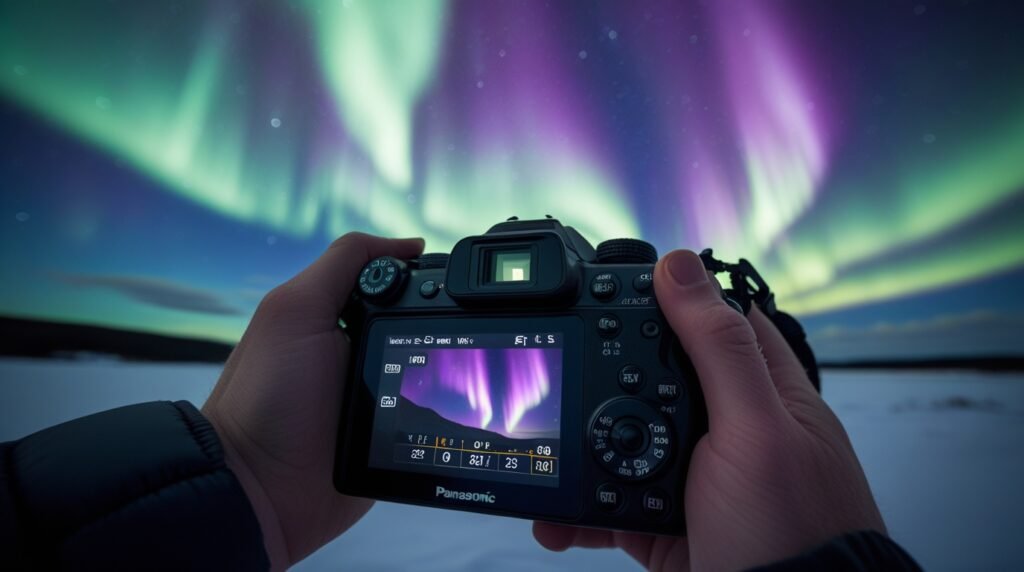
Capturing the breathtaking beauty of the northern lights, or aurora borealis, is a dream for many photographers. The vivid colors dancing across the sky offer a spectacular display that can be challenging to capture due to the low-light conditions and rapid movement of the lights. One of the most crucial settings for photographing the northern lights is shutter speed. In this article, we will dive deep into the DMC FZ300 setting for shutter speed for northern lights photography, explaining how to optimize this setting, why it’s important, and additional tips to help you get stunning photos of this natural wonder.
Why Shutter Speed Matters for Northern Lights Photography
When it comes to northern lights photography, one of the key challenges is capturing the faint light in dark environments. The northern lights move quickly, and the lighting conditions vary depending on the time of night, the season, and the location. Shutter speed plays an essential role in ensuring that you can capture enough light while preventing overexposure or motion blur.
What is Shutter Speed?
DMC FZ300 Setting for Shutter Speed for Northern Lights: Shutter speed refers to the amount of time your camera’s shutter remains open to allow light to hit the camera sensor. A slower shutter speed allows more light to enter, which is ideal for capturing dim scenes, while a faster shutter speed allows less light to enter, freezing motion. For northern lights photography, shutter speed is critical because it controls the amount of light that is captured from the auroras.
Why Is Shutter Speed Crucial for Northern Lights Photography?
DMC FZ300 Setting for Shutter Speed for Northern Lights: Northern lights are relatively faint and require longer exposure times to capture their full brilliance. However, if the shutter speed is too slow, the auroras might appear blurry due to their movement. Conversely, if the shutter speed is too fast, the auroras may not appear as vibrant or clear. Finding the right shutter speed ensures that you capture the detail and movement of the auroras while avoiding overexposure or excessive blur.

Understanding the DMC FZ300 Camera and Its Capabilities
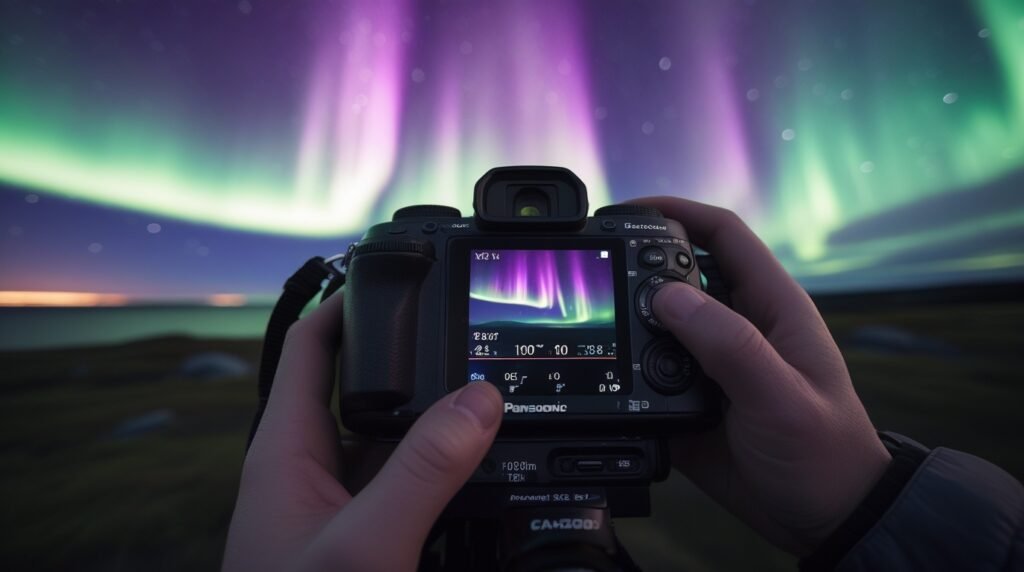
The DMC FZ300, also known as the Panasonic Lumix FZ300, is a popular bridge camera that combines excellent image quality with a versatile zoom lens. With its 12.1-megapixel sensor, 4K video recording capabilities, and excellent low-light performance, it is a great option for photographing the northern lights. However, like any camera, the DMC FZ300 requires specific settings to achieve optimal results in such a challenging environment.
Features of the DMC FZ300 for Night Photography
Before diving into the DMC FZ300 setting for shutter speed for northern lights, it’s important to understand why this camera is ideal for capturing such a unique phenomenon. The FZ300 has several features that make it perfect for night and low-light photography:
- Fast Lens with f/2.8 Aperture: The FZ300 comes with a constant aperture of f/2.8, which is perfect for low-light situations. A wide aperture allows more light to hit the sensor, which is essential for capturing the northern lights.
- Long Battery Life: Northern lights photography can require long exposure times, and the FZ300 provides a decent battery life, ensuring you can take multiple long exposure shots without worrying about running out of power.
- 4K Video: If you want to capture the motion of the auroras in addition to still images, the FZ300’s 4K video capability allows you to film the phenomenon in stunning detail.
- Built-in Stabilization: The camera features 5-axis image stabilization, which is essential for minimizing motion blur, especially during handheld shots.
With these features in mind, you can make full use of the DMC FZ300 setting for shutter speed for northern lights, allowing you to focus on adjusting the settings and composition for stunning photos.
How to Set the Shutter Speed on the DMC FZ300 for Northern Lights
DMC FZ300 Setting for Shutter Speed for Northern Lights: Finding the right shutter speed for photographing the northern lights depends on various factors, including the strength of the auroras, the level of ambient light, and how you want to capture the movement of the lights. Below are the steps for adjusting the shutter speed on the DMC FZ300 for northern lights photography.
1. Set the Camera to Manual Mode (M)
The first step in adjusting the DMC FZ300 setting for shutter speed for northern lights is to switch your camera to manual mode. In manual mode, you can independently control the shutter speed, aperture, and ISO, giving you complete creative control over your image. This is crucial for night photography, as you’ll need to adjust settings to match the low-light conditions.
To set the DMC FZ300 to manual mode, turn the mode dial to the “M” setting.
2. Choose the Right Shutter Speed
The key factor in northern lights photography is shutter speed, and selecting the correct speed is essential for capturing the lights in their full glory. For the DMC FZ300, start by setting the shutter speed to a range between 10 to 30 seconds. This will allow enough light to capture the auroras’ vibrant colors without creating too much motion blur. Here’s a general guideline for selecting the shutter speed:
- Slow Shutter Speeds (15-30 seconds): If the northern lights are moving slowly, you may want to use a longer shutter speed (e.g., 20 to 30 seconds). This captures more light and allows the auroras to appear bright and defined.
- Medium Shutter Speeds (10-15 seconds): If the auroras are moving more quickly, you’ll need a shorter exposure time to prevent the lights from becoming too blurred. Try a shutter speed of around 10-15 seconds for sharper, crisper images.
3. Adjust the Aperture (f/2.8)
The f/2.8 aperture on the DMC FZ300 is ideal for northern lights photography, as it allows a lot of light to hit the camera’s sensor. Set your aperture to the widest setting (f/2.8) to ensure that your camera captures as much light as possible. A wide aperture is critical for low-light environments like the northern lights.
4. Set ISO Sensitivity
ISO sensitivity controls the camera’s light sensitivity. In low-light conditions, you will need to increase the ISO to ensure the camera is sensitive enough to capture the auroras. However, higher ISO settings can introduce noise (graininess) in the image.
For northern lights photography on the DMC FZ300, start with an ISO setting of 800 to 1600. If the light conditions are extremely dark, you can increase the ISO to 3200, but keep in mind that higher ISO settings may introduce more noise.
5. Use a Tripod for Stability
A tripod is a must for northern lights photography, especially with longer exposure times. The FZ300’s image stabilization can help, but for long exposures, it’s best to use a tripod to prevent camera shake. A sturdy tripod will ensure that your camera remains perfectly still, even with slow shutter speeds.
6. Test and Adjust the Settings
Once you’ve set your shutter speed, aperture, and ISO, take a test shot. Review the image to determine if the northern lights are captured clearly without excessive blur or noise. If the image is too dark, increase the ISO slightly or use a longer shutter speed. If the lights appear too blurred, reduce the exposure time.
7. Enable Manual Focus
Since the northern lights are often distant and dim, it’s essential to use manual focus to ensure your images are sharp. Autofocus may struggle in low light, so adjust the lens manually to infinity for the best focus.
8. Use the Self-Timer or Remote Shutter Release
To avoid camera shake when pressing the shutter button, use the camera’s self-timer or a remote shutter release. This ensures that no additional movement is introduced during the exposure.
Additional Tips for Capturing the Northern Lights with the DMC FZ300
While the DMC FZ300 setting for shutter speed for northern lights is crucial, there are additional tips to help you capture the most stunning images of this natural wonder.
1. Scout the Best Location
The northern lights are most visible in regions near the poles, such as Scandinavia, Alaska, and Canada. The clearer the sky, the more vibrant the auroras will appear in your images.
2. Check the Aurora Forecast
Before heading out, check the aurora forecast for your location. Websites and apps like the NOAA Space Weather Prediction Center or Aurora Forecast provide real-time updates on aurora activity, ensuring you know the best times to capture the northern lights.
3. Shoot in Raw Format
To capture the full range of colors in the auroras, set your DMC FZ300 to shoot in RAW format. RAW images contain more data than JPEGs, allowing for better post-processing and adjustments to exposure, color, and sharpness.
4. Use White Balance Settings
Set the white balance to daylight or cloudy to maintain the natural color of the northern lights. Experiment with different white balance settings to achieve the desired effect in your photos.
Conclusion
Capturing the beauty of the northern lights requires patience, practice, and the right camera settings. The DMC FZ300 setting for shutter speed for northern lights plays a crucial role in ensuring that you capture these magnificent lights with clarity and detail. By adjusting the shutter speed, aperture, and ISO, you can optimize your camera for low-light conditions and produce stunning images.
Remember, each night and each aurora display is different, so don’t hesitate to experiment with settings until you achieve the perfect shot. Whether you’re an experienced photographer or a beginner, the DMC FZ300 is a powerful tool for capturing the northern lights in all their glory. With the right settings and a bit of practice, you’ll be able to create stunning photographs that showcase the magical beauty of the auroras.
FAQs
1. What shutter speed should I use for the northern lights on the DMC FZ300?
For northern lights photography, try setting your shutter speed between 10 to 30 seconds depending on the movement of the auroras and the lighting conditions.
2. What is the best ISO setting for northern lights photography on the DMC FZ300?
Start with an ISO setting of 800 to 1600. If the conditions are extremely dark, you can increase it to 3200, but be mindful of the noise.
3. Should I use autofocus for northern lights photography on the DMC FZ300?
No, use manual focus for better control. Set the lens to infinity for sharper focus on the distant auroras.
4. How do I avoid camera shake during long exposures?
Use a tripod to stabilize the camera and consider using the self-timer or a remote shutter release to avoid any movement during the shot.
5. What other settings should I adjust for the best northern lights photos on the DMC FZ300?
Make sure to shoot in RAW format for maximum detail and adjust the white balance to daylight or cloudy for accurate color representation.