
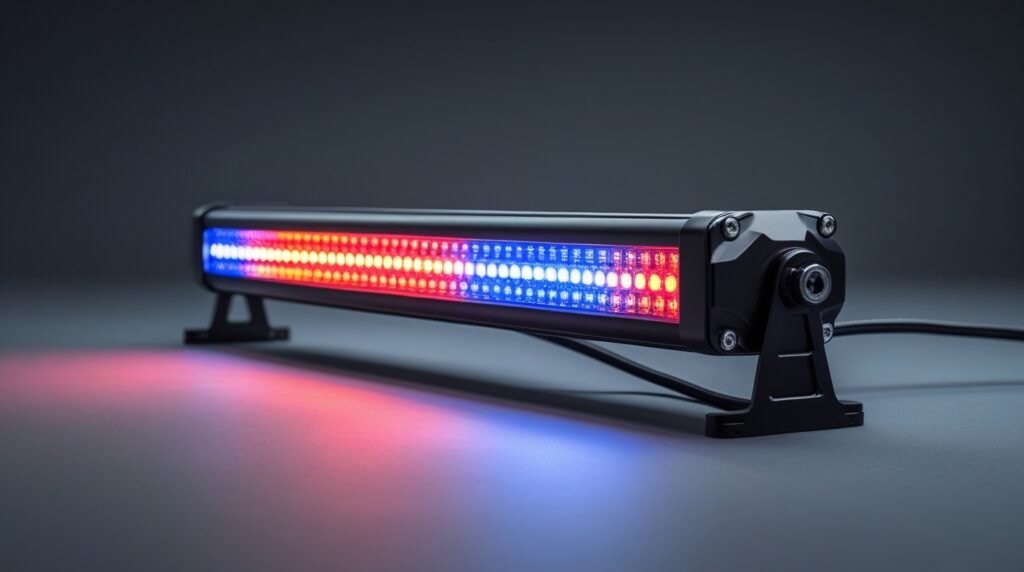
When it comes to enhancing visibility and safety, whether you’re navigating rough terrains or looking to improve your vehicle’s aesthetics, a light bar is one of the best investments you can make. Light bars are versatile, powerful lighting solutions that can be used for a variety of applications, from off-roading adventures to daily driving and emergency situations. This comprehensive guide will dive deep into everything you need to know about light bars, including their types, benefits, installation process, and how to choose the perfect one for your vehicle or project.
What is a Light Bar?
A light bar is an array of powerful LED lights mounted together in a horizontal bar shape. These bars are typically used to provide extended visibility for vehicles or areas that require high-intensity lighting. From off-road vehicles to emergency response trucks, light bars offer a wide range of applications. Their design ensures that light is distributed over a larger area, providing better illumination compared to traditional headlights or spotlights. Whether you are driving through unlit roads, working at night, or engaging in off-road activities, a light bar is an essential tool for increasing your safety and enhancing visibility.
The Evolution of Light Bars
The concept of light bars has evolved significantly over the years. Originally used by emergency vehicles such as police cars and ambulances, the technology has been adapted to meet the needs of various industries, especially the off-road and automotive sectors. Modern light bars utilize energy-efficient LED technology, which makes them brighter, more durable, and longer-lasting than older halogen or incandescent options. As the demand for better lighting solutions grew, manufacturers began developing different styles and configurations to suit various applications, including flood, spot, and combination beams.

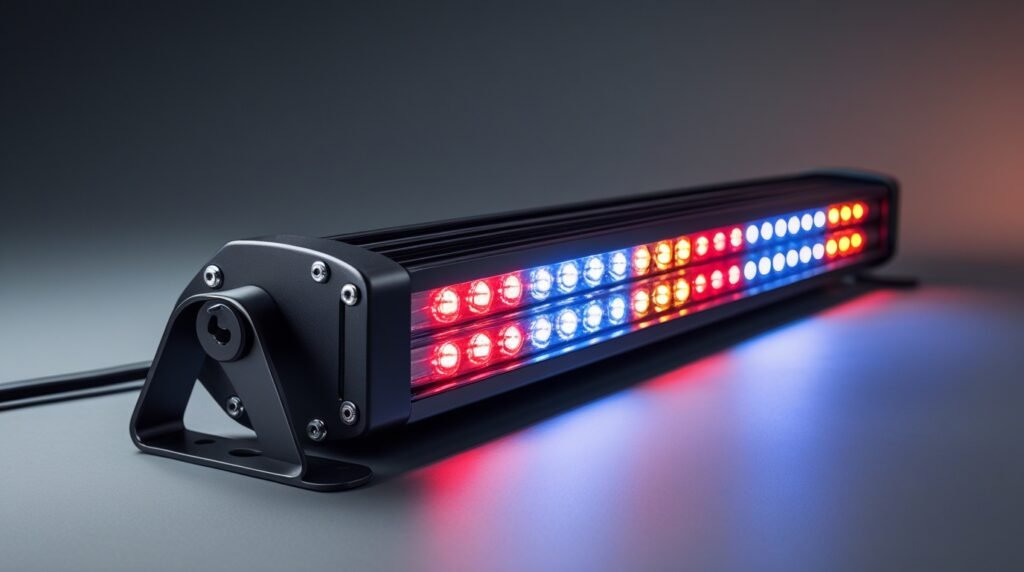
Types of Light Bars: Choosing the Right One for Your Needs
When it comes to choosing the perfect light bar, there are several types to consider, each suited to different purposes. The type of light bar you choose depends on your specific needs and the environment in which you’ll be using it. Let’s explore the different types and their advantages.
1. Straight Light Bars
Straight light bars are the most common type and are typically mounted horizontally on the front of vehicles, such as trucks, SUVs, and off-road vehicles. These bars provide wide illumination and are ideal for general driving and off-roading. They can be used for both flood and spot lighting, providing versatility for different road conditions. The straight light bar is a go-to option for those seeking improved visibility during night driving or for outdoor activities in low-light conditions.
2. Curved Light Bars
Curved light bars offer a similar lighting output to straight bars but with a slight difference in design. These bars are mounted in a way that follows the natural curve of the vehicle’s front end. The benefit of the curved light bar is that it provides a broader distribution of light across a larger area, reducing blind spots and offering enhanced visibility. Curved light bars are especially popular with off-road enthusiasts who want a wider field of view on rugged terrain.
3. Combo Light Bars
As the name suggests, combo light bars combine both flood and spot lighting in one unit. These bars are perfect for those who need the best of both worlds—flood lighting for wide-area illumination and spot lighting for long-distance visibility. A combo light bar is ideal for long drives through dark areas, offering versatility for different situations. Whether you’re navigating a trail or driving on highways, the combo light bar ensures that you can see and be seen from all angles.
4. Slim Light Bars
For vehicles with limited mounting space, slim light bars are a great choice. These compact light bars are designed to fit in tight spots, such as under bumpers, on top of windshields, or inside grill areas. Despite their slim profile, these bars still provide ample light output and are often used in situations where a traditional light bar may be too large or bulky. Slim light bars are ideal for urban vehicles or those who don’t want to compromise on functionality without sacrificing aesthetics.
5. Flush Mount Light Bars
Flush mount light bars are designed to sit seamlessly within the vehicle’s bodywork. These light bars are typically installed directly into a vehicle’s bumper or roofline, providing a sleek, integrated look. Flush mount light bars are an excellent choice for those who want powerful lighting without the bulky appearance of a standard light bar. They are typically used in racing and off-road applications, offering both style and functionality.
6. Off-Road Light Bars
Off-road light bars are specifically designed to handle the rugged conditions encountered during off-road adventures. These light bars are built with durability in mind, often featuring water-resistant and shockproof properties. They typically provide high-intensity beams, allowing drivers to see obstacles and terrain features that would otherwise be invisible in the dark. Whether you’re driving through muddy trails, sandy dunes, or rocky paths, off-road light bars ensure that you have maximum visibility in challenging conditions.
Benefits of Installing a Light Bar
Installing a light bar on your vehicle or equipment can offer numerous benefits, especially if you frequently drive in low-light conditions or engage in off-road activities. Here are the top advantages of using a light bar:
1. Enhanced Visibility
One of the primary reasons for installing a light bar is to improve visibility. Standard headlights can only illuminate a limited area, especially when driving at night or in foggy conditions. A light bar expands your field of vision, helping you spot obstacles, animals, or hazards that might otherwise be hard to see. Whether you’re driving on highways or through off-road trails, the extra light ensures you can react to any potential dangers ahead.
2. Improved Safety
Better visibility translates directly into improved safety. With a light bar mounted on your vehicle, you can avoid accidents by spotting hazards early. This is especially important when driving in remote areas, where there are fewer streetlights or other sources of illumination. Light bars are also crucial for off-roading, where rough terrain and uneven paths can make it challenging to navigate without proper lighting.
3. Energy Efficiency
Many modern light bars use LED technology, which is more energy-efficient than traditional halogen or incandescent lighting. LED lights consume less power, last longer, and generate less heat, making them a more sustainable option. With an LED light bar, you can enjoy powerful lighting without draining your vehicle’s battery or requiring constant maintenance.
4. Versatility
Whether you’re driving in urban areas, off-roading, or participating in an emergency situation, a light bar offers unparalleled versatility. The different types of light bars—from straight to combo options—ensure that you can select the perfect one for your specific needs. This adaptability makes the light bar a must-have for a wide range of activities and environments.
5. Aesthetic Appeal
In addition to their practical benefits, light bars can enhance the overall aesthetic of your vehicle. Many vehicles, particularly off-road trucks and SUVs, use light bars to create a bold, aggressive look. The sleek, modern design of light bars can elevate the appearance of your vehicle, making it stand out from the crowd. Whether you prefer a rugged off-road look or a stylish urban design, a light bar can complement your vehicle’s appearance.
How to Choose the Right Light Bar
With so many options available, choosing the right light bar for your needs can be a challenge. Here are some key factors to consider when selecting the perfect light bar for your vehicle or project:
1. Purpose and Application
Consider how you plan to use the light bar. Are you using it for off-roading, daily driving, or emergency situations? Off-road light bars typically require higher intensity and durability, while light bars for urban driving may focus more on aesthetics and low-power consumption. Identifying the specific application will help narrow down your options.
2. Size and Fit
Make sure the light bar fits your vehicle. The size of the light bar will depend on your vehicle’s design and available mounting space. Larger light bars provide more light but may require more installation space, while smaller bars are more compact and can be used in tighter areas. Check the mounting points on your vehicle to determine the best size and configuration.
3. Beam Pattern
The beam pattern is another important consideration. Light bars typically come in three types of beam patterns: spot, flood, and combo. Spot beams provide focused light for long-distance visibility, while flood beams provide wide illumination for close-range visibility. Combo light bars combine both types for versatility. Depending on your needs, choose a beam pattern that suits your driving style and environment.
4. Durability
Durability is essential, especially if you plan to use the light bar in harsh conditions. Look for a light bar that is water-resistant, shockproof, and capable of withstanding extreme temperatures. Off-road light bars should be built to endure the rough and rugged conditions encountered during off-road adventures.
5. Power and Wattage
Consider the power output of the light bar when choosing the right model. A higher wattage usually means brighter light and better coverage, but it can also put a strain on your vehicle’s electrical system. Choose a light bar that matches your power needs without overloading your vehicle’s battery.
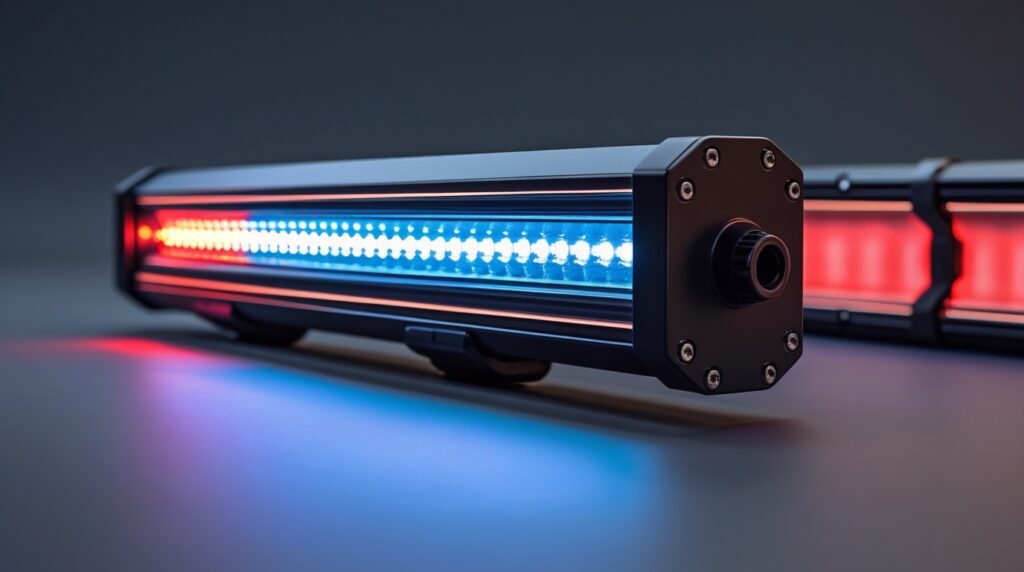
Installation of a Light Bar
Installing a light bar can be a straightforward process, but it requires careful attention to detail. If you’re installing a light bar for the first time, here are the basic steps involved:
- Common locations include the front bumper, the roof, or under the grill.
- Prepare the Area: Clean the surface where you plan to mount the light bar to ensure a secure fit.
- Install the Mounting Brackets: Use the included brackets to secure the light bar in place.
- Wiring: Connect the wiring to your vehicle’s electrical system. This may involve wiring the light bar directly to the battery or using a relay switch.
- Test the Light Bar: Once installed, test the light bar to ensure it works properly. Check the light intensity and beam pattern.
Conclusion
A light bar is an essential addition to any vehicle, offering improved visibility, safety, and versatility. Whether you’re off-roading, driving in low-light conditions, or simply looking to enhance your vehicle’s aesthetics, a light bar provides the lighting power you need to see and be seen. By understanding the different types of light bars, their benefits, and how to choose the right one, you can make an informed decision that suits your needs. Investing in a light bar not only improves your vehicle’s functionality but also adds an element of style and sophistication that’s hard to beat.
FAQs
1. What is the purpose of a light bar?
A light bar is designed to provide enhanced visibility and lighting, especially for off-road driving, emergency situations, and low-light environments.
2. Are light bars legal?
In most regions, light bars are legal for off-road use, but it’s essential to check local regulations, especially when using them on public roads.
3. Can I install a light bar myself?
Yes, installing a light bar can be done by following the manufacturer’s instructions. If you’re unsure, consider seeking professional installation.
4. What is the difference between flood and spot beams in a light bar?
Flood beams provide wide-area illumination, while spot beams focus light over long distances. Combo light bars offer both for versatile lighting.