
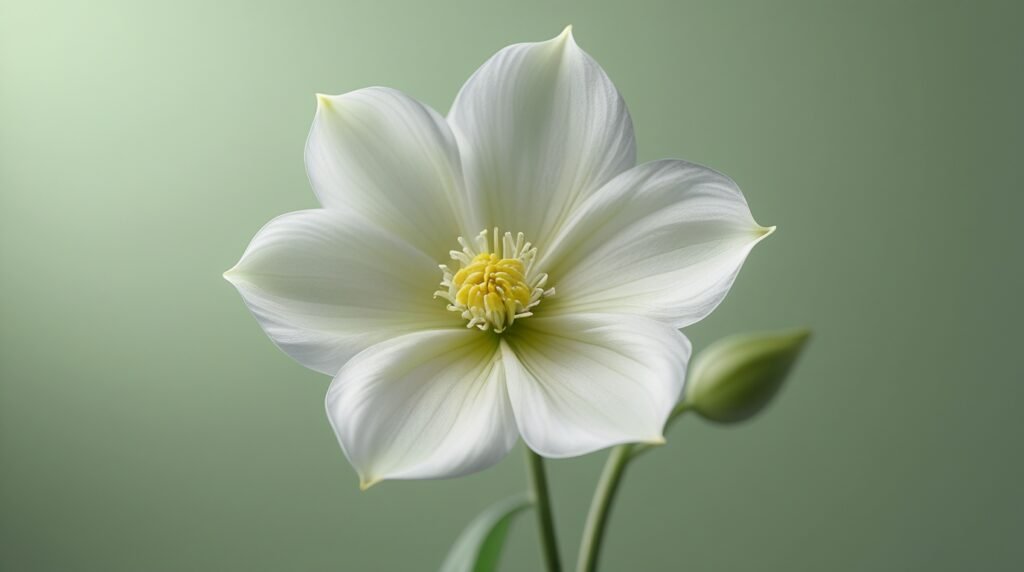
The Suryakanthi flower, known for its bright, golden-yellow petals, is a symbol of natural beauty and positivity. This enchanting flower, often associated with the sun due to its radiant color and name, is widely admired in various cultures for its vibrant aesthetic and symbolic meanings. In this article, we will explore everything about the Suryakanthi flower — from its characteristics, cultivation, benefits, and cultural significance to how you can incorporate it into your garden.
Introduction to the Suryakanthi Flower
The Suryakanthi flower, also called the Sunflower in English, belongs to the Helianthus genus in the Asteraceae family. Its striking yellow petals and the unique way it follows the sun from dawn to dusk make it one of the most iconic flowers around the world. The flower not only adds a touch of natural beauty to any landscape but also brings positive energy due to its association with the sun.
Suryakanthi, derived from the words “Surya” (sun) and “Kanthi” (flower), is indeed a flower that mirrors the sun’s radiance. In this article, we will dive deep into its origin, features, benefits, and how to grow it in your home or garden.
Key Characteristics of the Suryakanthi Flower
1. Bright Yellow Petals
The most distinguishing feature of the Suryakanthi flower is its large, golden-yellow petals that radiate warmth and beauty. The vibrant color of the petals symbolizes vitality, energy, and happiness.
2. Large, Round Flower Head
The flower head of the Suryakanthi is usually large and round, with hundreds of tiny florets grouped in the center, resembling a sunburst. These florets are packed with seeds, which are the most commonly harvested part of the flower.
3. Tall Stems
Suryakanthi flowers typically grow on tall, sturdy stems, ranging from 3 to 10 feet in height, depending on the variety. These plants stand out in gardens and fields due to their impressive height and vibrant blooms.
4. Sun-Following Behavior (Heliotropism)
One of the most fascinating aspects of the Suryakanthi flower is its heliotropic behavior. Young sunflower buds and flowers track the movement of the sun from east to west during the day. This process is called heliotropism, and it helps the flower to maximize sunlight absorption, promoting healthy growth.


Benefits of the Suryakanthi Flower
The Suryakanthi flower is not just a pretty face in the garden; it also comes with several practical benefits that make it a worthwhile addition to any garden or farm.
1. Natural Air Purifier
Sunflowers are known to purify the air by absorbing carbon dioxide and releasing oxygen. Planting Suryakanthi flowers around your home or garden can improve the overall air quality and create a more refreshing atmosphere.
2. Attracts Pollinators
The vibrant color and nectar-rich flowers of the Suryakanthi attract pollinators like bees, butterflies, and hummingbirds. These pollinators help in the fertilization of nearby plants, making sunflowers an essential part of any pollinator-friendly garden.
3. Edible Seeds
The seeds of the Suryakanthi flower are not just decorative but are also highly nutritious. Sunflower seeds are rich in vitamins, minerals, protein, and healthy fats. They are commonly consumed as snacks or used in baking and cooking.
4. Helps in Crop Rotation
Sunflowers are known for being excellent companion plants, often used in crop rotation practices. Their deep roots help to loosen the soil, which allows better water drainage and aeration for the next crop. Additionally, they can help prevent soil erosion.
5. Rich in Antioxidants
Sunflower seeds are packed with antioxidants, which help in neutralizing free radicals in the body. Consuming sunflower seeds can support skin health, boost the immune system, and reduce inflammation.
How to Grow Suryakanthi Flowers
Growing Suryakanthi flowers is a relatively easy process, and with the right care, you can have a beautiful sunflower garden in no time. Here’s a step-by-step guide on how to grow and care for sunflowers:
1. Choose the Right Location
Sunflowers thrive in full sunlight. A sunny corner of the garden is ideal for growing these beautiful flowers.
2. Prepare the Soil
Loamy or sandy soil is the best choice. Before planting, make sure to enrich the soil with compost or organic fertilizers to promote healthy growth.
3. Planting Sunflower Seeds
Plant the seeds directly into the soil after the last frost in your area, as sunflowers are sensitive to cold temperatures. Space the seeds about 6 inches apart, and plant them at a depth of about 1-2 inches. For larger varieties, space the seeds about 12 inches apart to give them ample room to grow.
4. Watering
Water the plants regularly, especially during dry spells, to ensure consistent growth. However, avoid over-watering as sunflowers do not like soggy soil. A deep watering session once a week is usually sufficient.
5. Provide Support
As the sunflowers grow tall, you may need to provide support to prevent them from falling over due to wind. Use stakes or plant cages to hold the stems upright, especially for larger sunflower varieties.
6. Fertilization
Sunflowers do well with a light application of fertilizer during the growing season. You can use a balanced fertilizer to ensure they get the necessary nutrients for healthy growth.
7. Harvesting
Sunflower seeds are ready for harvest when the back of the flower head turns brown, and the seeds are firm. Cut the flower head off, leaving a small portion of the stem. Hang the flower head upside down to dry, and then remove the seeds once completely dry.
Suryakanthi Flower in Different Cultures
Here are some of the symbolic meanings associated with sunflowers:
1. Symbol of Positivity and Happiness
In many cultures, sunflowers are symbols of positivity, happiness, and good luck. The bright yellow petals represent joy, vitality, and the sun’s warmth, making them a popular choice for gifting during celebrations.
2. In Hindu Culture
In Hinduism, the Suryakanthi flower is associated with the Sun God (Surya). It is believed that sunflowers bring blessings of good health, prosperity, and energy. People often plant them in their gardens or offer them as a part of religious rituals to invoke the blessings of the Sun.
3. In Western Culture
In Western cultures, particularly in the United States and Europe, the sunflower is seen as a symbol of admiration, loyalty, and longevity. The sunflower’s ability to track the sun makes it a symbol of faithfulness and steadfastness.

Conclusion
The Suryakanthi flower, with its radiant yellow petals and sunny disposition, has earned a well-deserved place in gardens worldwide. Not only does it enhance the aesthetic appeal of any space, but it also brings numerous benefits like air purification, attracting pollinators, and providing edible seeds. Whether you’re looking to beautify your garden, enjoy fresh sunflower seeds, or embrace the flower’s symbolic meaning of positivity, the Suryakanthi flower is a wonderful choice. Plant one today and experience the golden beauty it brings into your life!
FAQs About the Suryakanthi Flower
Q1: Can Suryakanthi flowers grow in any type of soil?
A1: Sunflowers prefer well-drained, loamy soil. They can grow in various types of soil, but soil that retains moisture without being waterlogged is ideal.
Q2: How long do Suryakanthi flowers bloom?
A2: Sunflowers typically bloom for 70-100 days, depending on the variety. Most sunflowers bloom during the summer months.
Q3: Are Suryakanthi flowers edible?
A3: Yes, the seeds of the Suryakanthi flower are edible and can be consumed raw, roasted, or used in cooking and baking.