









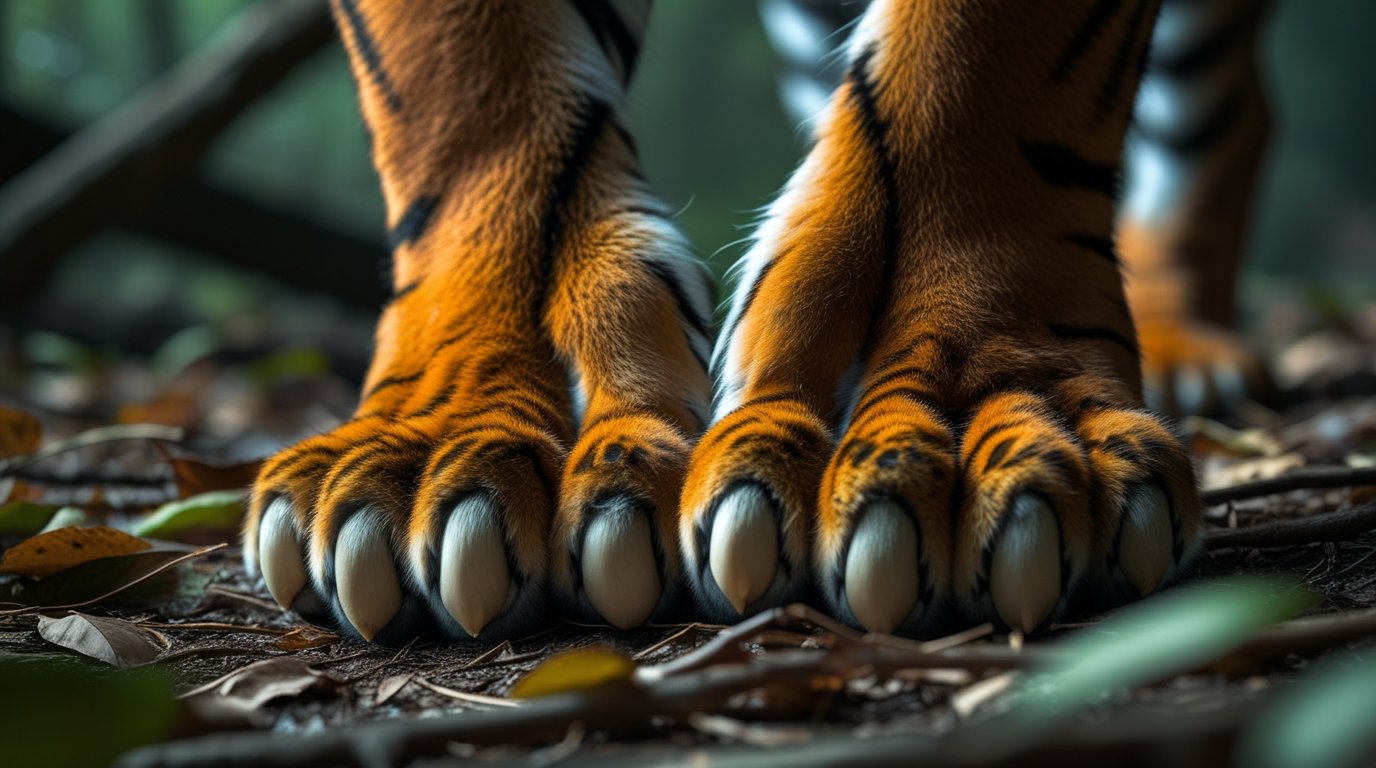
The majestic and powerful tiger has long been a symbol of strength, courage, and grace in various cultures around the world. While the tiger’s formidable presence and fierce nature have earned it a place in folklore, mythology, and art, the most iconic aspect of this magnificent animal is undoubtedly its paws. Tiger paws represent the perfect combination of raw power and natural elegance, embodying the spirit of the wild. In this article, we’ll explore the unique characteristics of tiger paws, their role in the tiger’s survival, and the symbolic importance they hold in both nature and culture.
What Are Tiger Paws?
Tiger paws are one of the most distinctive features of this apex predator, enabling the tiger to excel in both hunting and movement. The tiger’s paws are large, powerful, and designed for a variety of functions, from stalking prey to providing balance and agility. Tiger paws are equipped with sharp claws, thick pads, and powerful muscles that allow them to maneuver effortlessly through their environments. These physical characteristics make the tiger an efficient predator, capable of bringing down large prey and navigating through dense forests, grasslands, and mountains.
Tiger Paw Anatomy
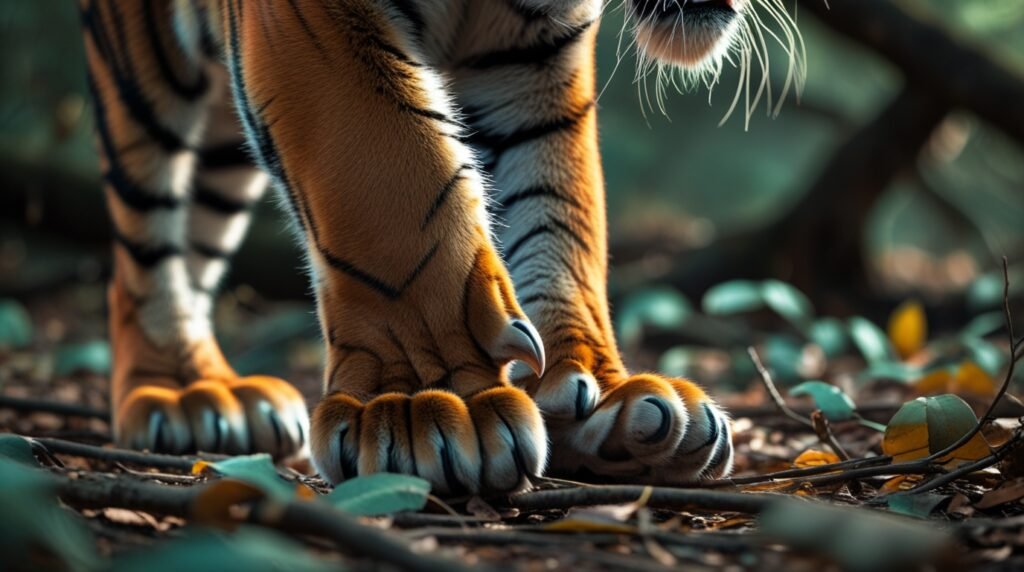
The anatomy of a tiger paw is a testament to the animal’s evolutionary perfection. Each paw consists of several key components that enable the tiger to thrive in its natural habitat:
- Claws: Tiger claws are retractable, meaning they can be extended when needed for hunting, climbing, or defending themselves. When extended, the claws are sharp and strong, capable of gripping and holding onto prey with incredible force. The retractable nature of these claws helps protect them from wear and tear when the tiger is not using them.
- Paw Pads: The tiger’s paw pads are thick and covered with rough, textured skin that provides excellent traction. These pads are designed to protect the tiger’s feet while it traverses different terrains, including rocky surfaces and dense forests. The pads also act as shock absorbers, minimizing the impact of the tiger’s movements, allowing for stealthy and silent walking.
- Toe Muscles: The powerful toe muscles in the tiger’s paws enable it to spring into action, whether in a sprint after prey or in a quick escape from danger. The strong muscles also contribute to the tiger’s ability to climb trees and swim efficiently, both of which are vital skills for survival.
- Sensitive Skin: The skin on a tiger’s paw is incredibly sensitive, which allows it to detect subtle vibrations and movements in its environment. This sensitivity helps the tiger remain aware of its surroundings, especially when stalking prey or avoiding potential threats.
The Role of Tiger Paws in Hunting and Survival
Tiger paws are integral to the tiger’s hunting and survival strategies. Their powerful claws and pads allow the tiger to perform a variety of vital tasks that enhance its ability to catch and subdue prey.
1. Stealth and Stalking
Tigers are known for their stealthy approach to hunting, often creeping up on their prey without being noticed. The soft, padded surface of their paws allows them to walk silently through the underbrush, minimizing the sound of their movements. This quiet approach is crucial when hunting large herbivores, as the tiger must get as close as possible before launching an attack.
2. Climbing and Ambush
While tigers are primarily ground-based hunters, they are also skilled climbers. The powerful muscles in their paws enable them to climb trees and rocks with ease. This ability is especially useful for ambushing prey or escaping danger. By climbing trees or perches, tigers can gain an advantageous position to spot prey or survey their surroundings.
3. Gripping and Subduing Prey
When a tiger does finally close the distance between itself and its prey, its powerful paws come into play. The sharp claws of a tiger can sink deeply into the flesh of its prey, providing a secure grip. The tiger’s strong paws help it to hold on to its prey, even when the prey is struggling to escape. The strength in the tiger’s paws allows it to overpower even large animals like deer, buffalo, and wild boar.
4. Swimming and Navigating Water
Tigers are also excellent swimmers, thanks to the strong muscles and webbed paws that help them move through water. Unlike many other large cats, tigers are not afraid of water and can swim for long distances. Their paws act like paddles, allowing them to move efficiently through rivers, lakes, and swamps in search of food or while evading predators.
The Symbolism of Tiger Paws in Culture
In addition to their functional role in the tiger’s survival, tiger paws have symbolic meaning in many cultures around the world. The tiger is often seen as a symbol of power, courage, and grace, and its paws, as the source of its strength, play a central role in this symbolism.
Tigers in Mythology and Folklore
Throughout history, tigers have been revered in various cultures for their strength and fearlessness. In many Asian cultures, the tiger is regarded as a symbol of bravery and protection. For example, in Chinese mythology, the tiger is often depicted as a guardian figure, protecting against evil spirits and bad fortune. The tiger’s paws, with their ability to hunt and protect, are often seen as a symbol of fierce guardianship.
In Indian culture, the tiger is associated with the goddess Durga, who is often depicted riding a tiger and wielding weapons. The tiger represents her power and fearlessness, while its paws symbolize her ability to protect and destroy evil forces. The tiger’s paws, in this context, are seen as symbols of divine strength and protection.
Tiger Paws in Art and Fashion
The image of a tiger’s paw is also prevalent in art, fashion, and design. From tattoos to clothing patterns, the tiger paw print is often used to evoke a sense of strength, beauty, and grace. Tiger paw prints are frequently seen as a symbol of personal empowerment and resilience, with individuals using them to express their connection to nature or their admiration for the tiger’s qualities.
In the world of sports, teams and organizations often use the tiger’s paw as a logo or mascot to represent power, tenacity, and excellence. For example, the Clemson Tigers football team has adopted the tiger paw as its symbol, showcasing the animal’s fierce nature and determination to succeed.
The Importance of Tiger Conservation
While the tiger’s paws are a symbol of nature’s power and beauty, they are also a reminder of the urgent need for tiger conservation. Unfortunately, tigers are currently listed as endangered, with only around 3,900 tigers remaining in the wild. Habitat loss, poaching, and human-wildlife conflict have contributed to the rapid decline of tiger populations across the globe. Without them, entire habitats could be disrupted, leading to negative effects on other wildlife populations.
Conservation efforts are essential to ensuring the survival of tigers and protecting their natural habitats. Organizations like the World Wildlife Fund (WWF) and the International Union for Conservation of Nature (IUCN) are working tirelessly to safeguard tiger populations and raise awareness about the importance of tiger conservation. By protecting tigers and their habitats, we can preserve the incredible strength and beauty represented by their paws for generations to come.
How Can You Support Tiger Conservation?
There are several ways in which individuals and organizations can contribute to tiger conservation efforts:
1. Support Wildlife Conservation Organizations
Many organizations, such as WWF, Panthera, and Save the Tigers, work to protect tigers through advocacy, research, and habitat preservation. Donating to these organizations or supporting their initiatives can have a significant impact on tiger conservation efforts.
2. Spread Awareness
Raising awareness about the challenges tigers face and the importance of conservation is a crucial step in protecting these magnificent creatures. By educating others about the plight of tigers, you can help generate support for wildlife protection programs and policies.
3. Avoid Products Made from Tiger Parts
Illegal wildlife trade is a significant threat to tigers, and products made from tiger parts, such as tiger bone wine, pelts, and jewelry, contribute to the decline of tiger populations. Avoiding these products and supporting anti-poaching initiatives can help reduce the demand for tiger parts.
4. Support Sustainable Practices
Protecting tiger habitats is essential for their survival. Supporting sustainable practices, such as eco-tourism and responsible land-use policies, can help ensure that tigers have a safe and secure place to live.
Conclusion: The Legacy of Tiger Paws
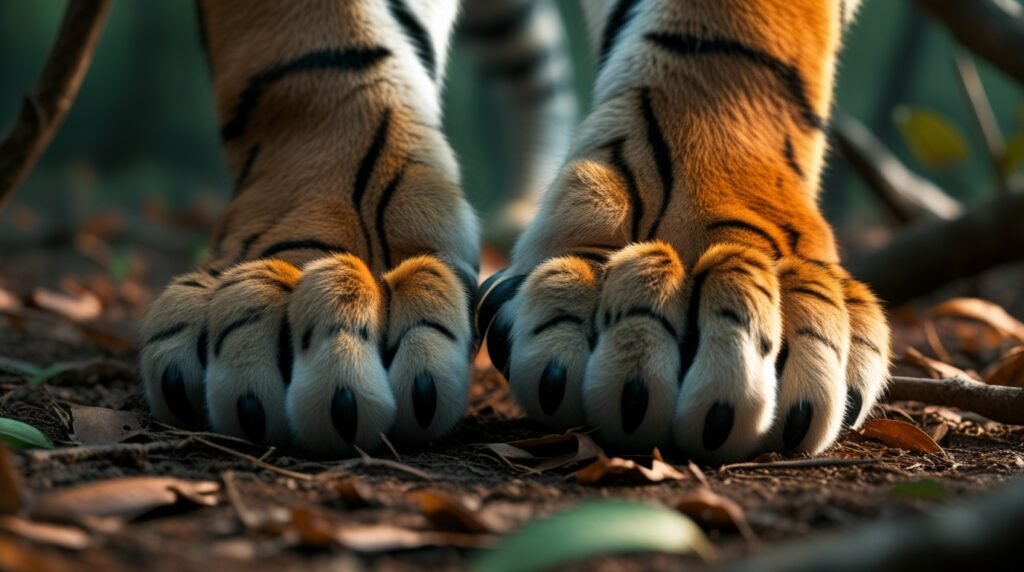
Tiger paws are much more than just a physical feature of this incredible animal; they represent the strength, grace, and power of the tiger. From their role in hunting and survival to their symbolic significance in culture and art, tiger paws are an enduring symbol of nature’s beauty and strength. However, with tigers facing the threat of extinction, it is crucial that we take action to protect these magnificent creatures and their habitats. By supporting tiger conservation efforts and raising awareness about the importance of preserving these animals, we can help ensure that future generations will be able to admire the beauty and power of tiger paws in the wild.
Frequently Asked Questions (FAQs)
1. Why are tiger paws so important for survival?
Tiger paws are essential for hunting, climbing, and moving silently through their environment. The sharp claws, strong pads, and powerful muscles help tigers catch prey, climb trees, and swim efficiently.
2. How can tiger paws symbolize strength and power in different cultures?
In many cultures, tigers are seen as symbols of bravery and protection. Tiger paws represent the animal’s ability to protect, fight, and thrive in the wild, embodying qualities of strength and courage.
3. What are some ways to support tiger conservation?
Supporting organizations like WWF, spreading awareness about tiger conservation, avoiding products made from tiger parts, and promoting sustainable practices are all ways to contribute to tiger conservation efforts.
4. What is the current status of tiger populations?
Tigers are currently listed as endangered, with an estimated 3,900 tigers left in the wild. Habitat loss, poaching, and human-wildlife conflict are the primary threats to their survival.
5. How do tiger paws help in climbing and swimming?
The powerful muscles and strong claws in tiger paws allow them to climb trees and move through water efficiently. Their paws act like paddles when swimming, helping them traverse rivers and lakes with ease.