









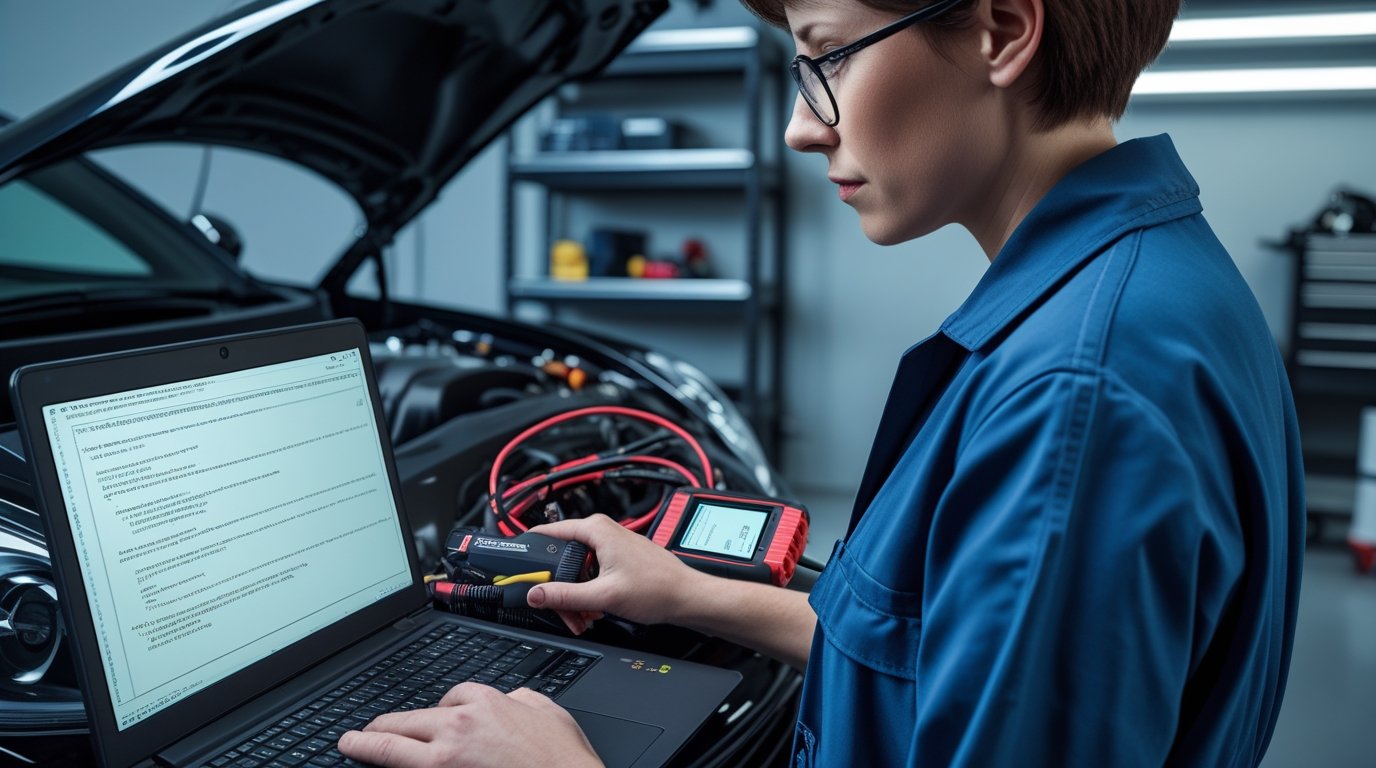
The check engine light (CEL) is one of the most common indicators that something might be wrong with your vehicle. It can be alarming when it lights up on your dashboard, signaling that your car requires immediate attention. Understanding how to clear the codes of a check engine light is an important step in troubleshooting and maintaining your car. In this comprehensive guide, we will discuss what causes the check engine light to turn on, how to clear the codes of a check engine light, and what to do after resetting it.
What is a Check Engine Light and Why Does It Turn On?
Before diving into the steps on how to clear the codes of a check engine light, it’s crucial to understand why the check engine light comes on in the first place. The check engine light is part of your car’s On-Board Diagnostics (OBD) system, which monitors the performance of key engine components and emissions systems. When the OBD system detects a problem, it triggers the check engine light to inform the driver that something needs attention.
The causes of a check engine light turning on can vary from something as simple as a loose gas cap to more serious engine malfunctions. Some common reasons include:
- Loose or Damaged Gas Cap: A loose gas cap is one of the most common and least serious causes of a check engine light. If the gas cap is not securely fastened, the system may detect a drop in pressure and trigger the light.
- Oxygen Sensor Issues: The oxygen sensor measures the amount of oxygen in the exhaust gases and plays a vital role in maintaining engine efficiency. If this sensor is faulty, it can affect fuel economy and emissions.
- Catalytic Converter Problems: The catalytic converter helps reduce the harmful emissions produced by the engine. If it’s malfunctioning, it can result in poor engine performance and reduced fuel efficiency.
- Mass Airflow Sensor Problems: This sensor measures the amount of air entering the engine, and a malfunction can cause the engine to run inefficiently.
- Ignition System Failures: Faulty spark plugs or ignition coils can cause misfires and trigger the check engine light.
When your car’s OBD system detects an issue, it logs a diagnostic trouble code (DTC) that can be accessed with a code reader. Clearing these codes is a step that should only be taken after addressing the underlying issue to ensure your vehicle is safe and operating efficiently.
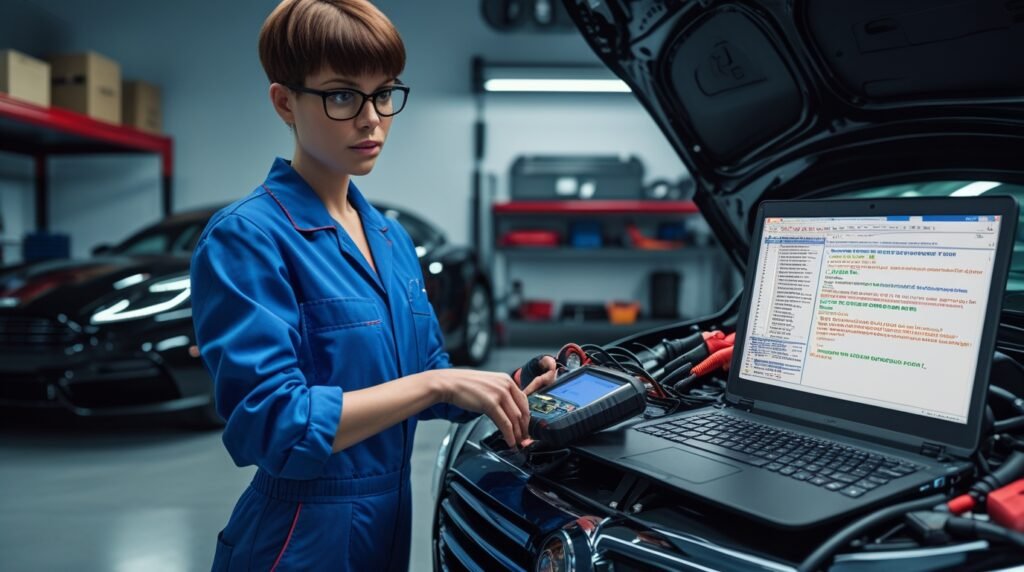
How to Clear the Codes of a Check Engine Light: Step-by-Step Guide
How to Clear the Codes of a Check Engine Light? There are several methods for clearing the codes of a check engine light. Each method depends on the tools available and whether or not the underlying issue has been resolved. Let’s explore the different ways you can reset or clear the check engine light.
1. Using an OBD-II Scanner
The most reliable method to clear the codes of a check engine light is by using an OBD-II scanner. This tool allows you to read, clear, and reset the diagnostic trouble codes stored in the vehicle’s OBD system. Here’s how to use an OBD-II scanner to clear the codes:
Step 1: Purchase or Borrow an OBD-II Scanner
OBD-II scanners are widely available at auto parts stores, online retailers, or through local mechanics. Some stores offer to read the codes for free, but owning a scanner allows you to easily diagnose and reset codes whenever necessary.
Step 2: Plug the OBD-II Scanner into Your Vehicle’s Diagnostic Port
The OBD-II diagnostic port is usually located beneath the dashboard, near the driver’s side of the vehicle. It’s a 16-pin connector that allows the scanner to interface with your car’s computer. Simply plug the scanner into this port.
Step 3: Turn the Car’s Ignition On
With the scanner connected, turn the car’s ignition to the “ON” position, but do not start the engine. This allows the OBD-II scanner to communicate with the vehicle’s computer.
Step 4: Read the Diagnostic Trouble Codes
Once the scanner is connected and powered on, select the option to read or scan the diagnostic trouble codes (DTCs). The scanner will display any stored codes related to the check engine light. These codes correspond to specific issues within your vehicle’s engine, emissions, or other systems.
Step 5: Clear the Codes
After diagnosing the issue (or confirming that it has been resolved), you can clear the codes. On most OBD-II scanners, there will be an option to “Clear Codes” or “Erase Codes.” Selecting this option will reset the check engine light and clear the codes from the system.
Step 6: Turn Off the Ignition
Once the codes have been cleared, turn off the car’s ignition and then restart the engine. If the check engine light doesn’t come back on after driving for a short while, it means the issue has been resolved and the codes have been successfully cleared.
2. Disconnecting the Vehicle’s Battery
Another method of clearing the codes of a check engine light is by disconnecting the vehicle’s battery. This method essentially resets the vehicle’s computer system. While this method can work, it may not always be effective, especially if the issue triggering the check engine light persists. Here’s how to disconnect the battery:
Step 1: Turn Off the Engine
Before disconnecting the battery, ensure that the engine is turned off and the keys are removed from the ignition.
Step 2: Locate the Battery Terminals
Open the hood of the car and locate the battery. You’ll see two terminals: one marked with a plus sign (+) for the positive terminal and one marked with a minus sign (-) for the negative terminal.
Step 3: Disconnect the Negative Terminal
Using a wrench, loosen the bolt on the negative terminal (the one marked with the minus sign) and remove the cable. This will break the electrical connection and reset the vehicle’s computer system.
Step 4: Wait for 15-30 Minutes
Leave the battery disconnected for about 15-30 minutes. This gives the vehicle’s computer time to reset and clear the stored diagnostic codes.
Step 5: Reconnect the Negative Terminal
After waiting, reconnect the negative terminal to the battery and tighten the bolt securely.
Step 6: Start the Car
Start the vehicle and check if the check engine light has turned off. If the light remains on, there may still be an underlying issue that requires attention.
3. Driving the Vehicle to Clear the Codes
How to Clear the Codes of a Check Engine Light? In some cases, simply driving the vehicle after addressing the issue may clear the check engine light. Modern vehicles have a system that monitors and resets trouble codes once the issue is fixed. Here’s what you need to do:
Step 1: Drive the Vehicle
How to Clear the Codes of a Check Engine Light? Once the problem has been addressed (such as tightening the gas cap or replacing a faulty sensor), take the car for a drive. You may need to drive for a certain number of miles for the system to recognize the fix and clear the codes.
Step 2: Monitor the Check Engine Light
While driving, keep an eye on the check engine light. If the light remains on, the issue may still be present. If it turns off after a few days of driving, the vehicle’s computer has likely cleared the codes.
4. Using a Professional Mechanic
If you’re unable to clear the codes of a check engine light using the methods mentioned above, or if the light comes back on after clearing, it’s best to consult a professional mechanic. A mechanic has access to advanced diagnostic tools and equipment to properly identify and resolve the issue. They can also clear the codes once the problem has been fixed.
Common Mistakes to Avoid When Clearing the Codes of a Check Engine Light
How to Clear the Codes of a Check Engine Light? While resetting or clearing the codes of a check engine light is often a straightforward process, there are some common mistakes you should avoid:
1. Clearing Codes Without Fixing the Issue
One of the biggest mistakes is clearing the codes without addressing the root cause of the problem. If the check engine light comes back on after clearing the codes, it means that the issue has not been resolved. Simply resetting the light without fixing the underlying issue can lead to further vehicle problems and potentially costly repairs.
2. Relying Solely on the Reset Without Diagnosis
How to Clear the Codes of a Check Engine Light? If the check engine light turns on, it’s essential to diagnose the issue before attempting to clear the codes. Use an OBD-II scanner or seek professional help to determine the problem. Blindly clearing the codes without diagnosing them can lead to more significant issues down the road.
3. Disconnecting the Battery for Extended Periods
How to Clear the Codes of a Check Engine Light? While disconnecting the battery can reset the vehicle’s computer, it should not be used as a long-term solution. Disconnecting the battery for extended periods can lead to the loss of other settings, such as radio presets and engine control module settings. It is advisable to use this method only if necessary and for a brief period.
Conclusion
Knowing how to clear the codes of a check engine light is an essential skill for car owners who want to maintain their vehicles and avoid unnecessary repairs. While clearing the codes is a helpful way to reset the vehicle’s system, it’s important to address the root cause of the issue before resetting the codes. By using tools such as an OBD-II scanner or consulting a professional mechanic, you can ensure that your vehicle is functioning properly and safely. Remember, clearing the codes without fixing the problem won’t solve the issue long-term. Always prioritize diagnosis and proper repairs to keep your car in top condition.
FAQs
1. Why did my check engine light come on?
The check engine light can turn on for various reasons, including a loose gas cap, faulty sensors, or issues with the emissions system. It’s important to use an OBD-II scanner to read the diagnostic codes and identify the underlying issue.
2. How can I clear the codes of a check engine light?
You can clear the codes of a check engine light using an OBD-II scanner, by disconnecting the vehicle’s battery, or by driving the vehicle after addressing the issue. A professional mechanic can also help clear the codes once the issue is resolved.
4. How long will it take for the check engine light to reset?
The time it takes for the check engine light to reset depends on the vehicle and the method used. If the issue is fixed and the system detects the solution, the light may turn off after driving for a few miles.
5. What should I do if the check engine light comes back on after clearing the codes?
If the check engine light comes back on after clearing the codes, it means the issue has not been resolved. You should use an OBD-II scanner to diagnose the problem or take your vehicle to a professional mechanic for further inspection.