









Introduction
In today’s fast-paced world, convenience is paramount. People are increasingly looking for services that can make their lives easier, and healthcare is no exception. The evolution of medicine delivery services has transformed how individuals access essential medications. Whether it’s for long-term health conditions, emergency needs, or simply to save time, medicine delivery is gaining traction. This article explores the rise of medicine delivery services, its benefits, challenges, and how it’s reshaping the healthcare industry, especially with the growing reliance on technology.
What is Medicine Delivery?
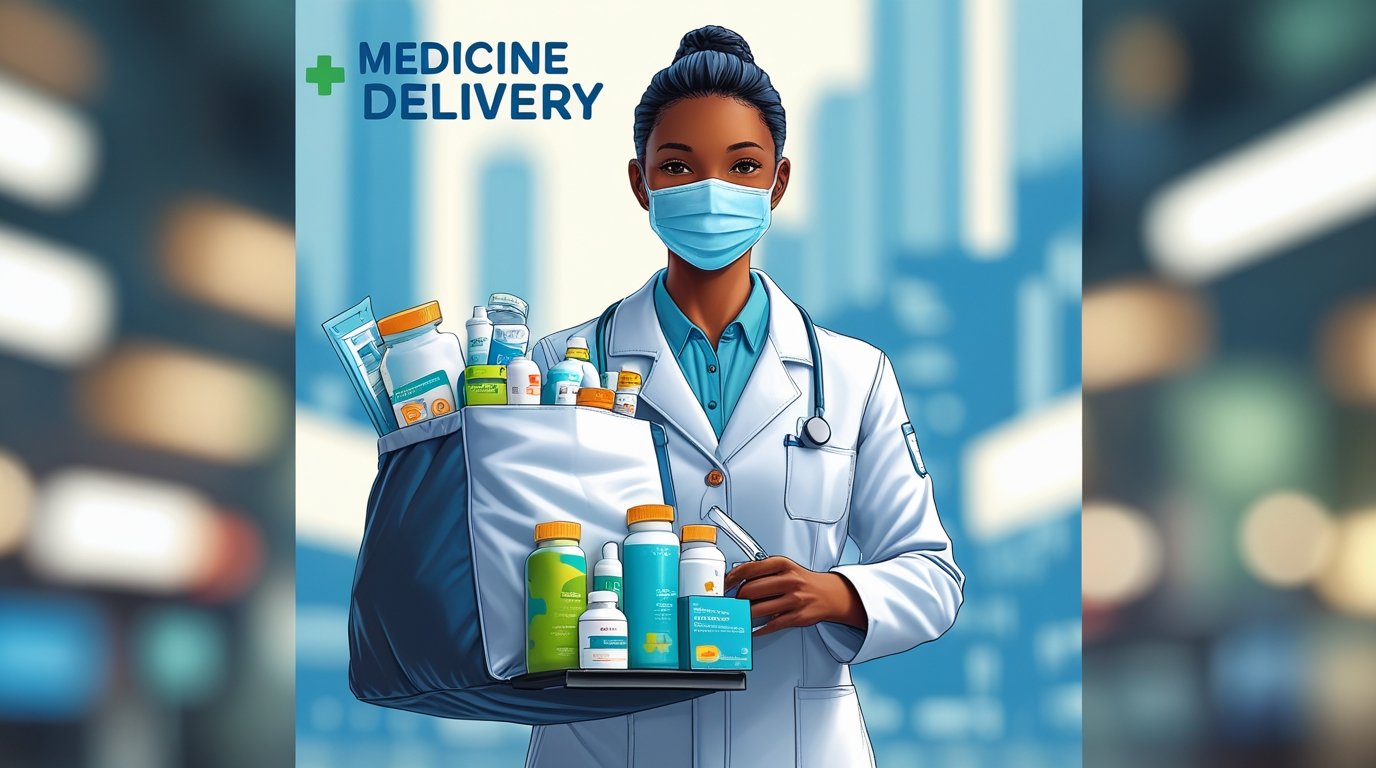
Medicine delivery refers to the process of delivering prescription medications directly to the patient’s door. It can be offered by local pharmacies, online pharmacies, or third-party services, providing a modern alternative to traditional in-store pharmacy visits. The service can be extended to both prescription and over-the-counter (OTC) medications, ensuring patients have easy access to essential healthcare products.
With the click of a button or the tap of a screen, patients can have their medication delivered within a set timeframe, often in a few hours. This convenience is especially useful for those with chronic conditions, mobility issues, or a busy lifestyle.
The Rise of Medicine Delivery Services
The shift toward medicine delivery services has been accelerated by several factors, including advancements in technology, changing consumer habits, and the impact of the COVID-19 pandemic. During the pandemic, many people began avoiding in-person interactions for health and safety reasons, leading to a surge in the demand for home-based services.
The Technological Push
The rise of mobile apps, telemedicine, and electronic prescriptions has made medicine delivery easier than ever. Patients can now consult doctors remotely and receive e-prescriptions that can be directly processed by online pharmacies. With telehealth becoming increasingly mainstream, the demand for medicine delivery services has skyrocketed.
Pandemic-Driven Growth
The global pandemic forced people to rethink how they access healthcare services. With restrictions in place, many pharmacies adapted to offer home delivery services, leading to a rise in medicine delivery demand. The convenience, safety, and peace of mind that come with getting medications delivered directly to one’s home made it a preferred option for many people.

Benefits of Medicine Delivery
1. Convenience
The biggest advantage of medicine delivery is the convenience it offers. Patients no longer need to make trips to the pharmacy, wait in long lines, or worry about running out of their prescribed medications. Instead, they can simply place an order online and have their medication delivered directly to their doorstep. This service allows patients to manage their health more effectively, especially for those with mobility issues, busy schedules, or chronic illnesses.
2. Faster Access to Medications
For urgent or emergency medications, medicine delivery services can be lifesaving. Patients can get their prescriptions filled and delivered to their homes in a matter of hours, ensuring they don’t miss a dose of critical medication. For individuals with serious conditions or elderly patients who may need regular medication, this fast access ensures that their health is not compromised due to waiting for prescriptions.
3. Increased Medication Adherence
Medication adherence is a significant challenge in healthcare. Patients often forget to take their medication or fail to refill prescriptions in a timely manner. Medicine delivery services can help improve adherence by providing timely reminders and easy access to medications. Automated reminders for prescription refills, along with prompt delivery, make it easier for patients to stick to their prescribed regimens, improving their health outcomes over time.
4. Access to a Wide Range of Medications
Another significant advantage of medicine delivery services is the vast selection of medications they offer. Customers can often find hard-to-get medications or specialty drugs that may not be available at their local pharmacies. Whether it’s a rare drug or a specific brand of over-the-counter medication, medicine delivery ensures that patients can get what they need when they need it.
Types of Medicine Delivery Services
1. Prescription Medication Delivery
Prescription medication delivery is the most common type of service. Patients can either submit their prescription electronically via a pharmacy’s app or website or send it to a local pharmacy. Once the prescription is confirmed, the pharmacy prepares the medication and delivers it to the patient’s home. This service provides a safe and reliable method for filling and delivering prescriptions without needing to leave home.
2. Over-the-Counter (OTC) Medicine Delivery
Over-the-counter medications, such as pain relievers, vitamins, and other non-prescription products, can also be delivered to a customer’s door. These types of services are particularly popular for customers who require regular, non-prescription medications but want the convenience of having them delivered without having to visit a store.
3. Subscription-Based Medicine Delivery
Some services offer subscription models for regular deliveries of medications, vitamins, and wellness products. These subscription-based services are perfect for individuals who need regular refills and want the convenience of automatic shipments. Whether it’s a monthly delivery of blood pressure medication or a regular supply of allergy medicine, these services ensure that customers never run out of their essential products.
How Does Medicine Delivery Work?
The process of ordering and receiving medicine delivery typically involves the following steps:
1. Prescription Submission
Patients start by submitting their prescription either electronically or physically to a pharmacy. Some services also allow patients to take a photo of their prescription and send it through their app. This can be done either through a dedicated pharmacy app or through a health service platform.
2. Medication Preparation
Once the prescription is verified, the pharmacy prepares the medication, ensuring it is dispensed in the correct quantity and packaging. The medication is then placed in a secure, tamper-proof package to maintain safety during transport.
3. Delivery
After the medication is ready, it is dispatched for delivery to the patient’s address. Some services offer options for same-day or next-day delivery, while others may offer scheduled deliveries based on the patient’s preferences. Delivery services typically offer various time slots to suit patients’ schedules.
4. Tracking and Notifications
Patients are notified when their medication is dispatched and can track the delivery in real-time. Some services even offer notifications when it’s time to reorder or refill prescriptions, ensuring that patients don’t run out of important medications.
Challenges of Medicine Delivery
While medicine delivery offers many benefits, it also faces a number of challenges that need to be addressed.
1. Delivery Delays
Even though most services strive for fast deliveries, delays can still occur due to traffic, weather, or logistical issues. This can lead to missed doses for patients who depend on timely delivery for their health needs. Ensuring timely delivery is critical, especially for individuals with serious conditions.
2. Prescription Verification
Another challenge for medicine delivery services is the verification process. Ensuring that prescriptions are accurate and valid can sometimes delay the process. Some medications, particularly controlled substances, may require additional verification, which can create bottlenecks in the delivery process.
3. Security Concerns
Medicine delivery services often deal with sensitive information, including patient health data and financial details. Protecting this information is critical to avoid breaches and identity theft. Companies need to implement strong security measures to safeguard personal and medical information.
4. Limited Availability
While medicine delivery services are widespread in urban areas, many rural areas still lack access to these services. This limitation can prevent some patients from taking advantage of the convenience and benefits of home delivery.

The Future of Medicine Delivery
1. Integration with Health Apps
In the future, medicine delivery services are likely to integrate further with health apps, making it easier for patients to track their medications, set reminders, and even consult with doctors directly for refills. Such integration will improve patient engagement and help ensure better health outcomes.
2. Artificial Intelligence in Medicine Delivery
AI can play a key role in enhancing medicine delivery services. By analyzing patient data and predicting when medications will be needed, AI can help optimize delivery routes and ensure faster service. Furthermore, AI-powered systems can recommend the best possible medication based on health data.
3. Drone Deliveries
One of the most exciting future developments is the use of drones for medicine delivery. Drones can deliver medications much faster than traditional methods, especially in urban areas where traffic congestion can delay traditional delivery vehicles. This will be particularly useful for urgent or emergency deliveries.
4. Global Expansion
As medicine delivery services become more widespread, there is a push to expand access to underserved populations in developing countries. With better access to healthcare services, even in remote areas, more people can benefit from these services.
Conclusion
The medicine delivery service is not just a trend; it’s a significant step toward a more convenient, accessible, and efficient healthcare system. The convenience, speed, and reliability of medicine delivery have made it a crucial part of modern healthcare. As the industry evolves, with technological advancements and global expansion, it will continue to shape the way we access and manage our health, making healthcare services more accessible for all. With continued improvements, medicine delivery will ensure that individuals can manage their health from the comfort of their own homes, improving quality of life and health outcomes.