









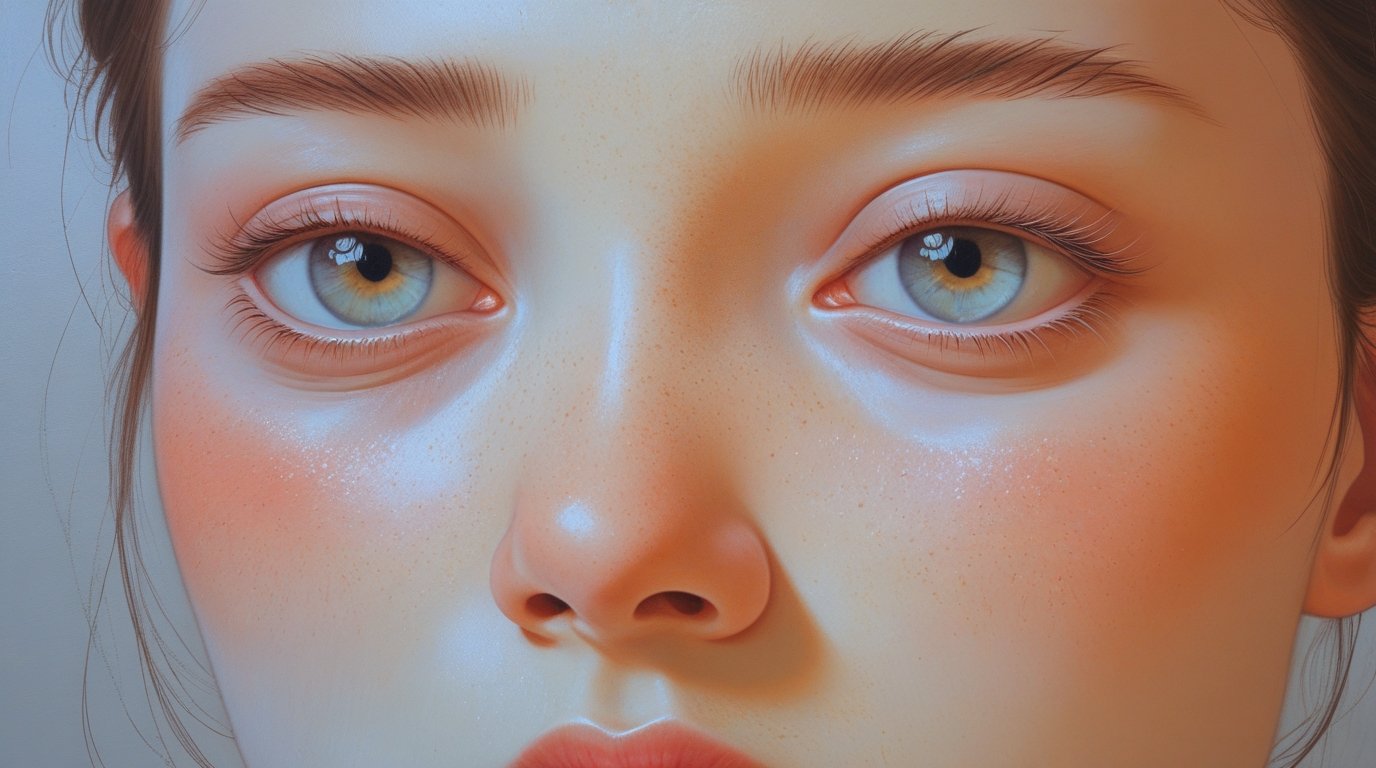
Waking up with Puffy Eyes and can be frustrating, especially when you have a busy day ahead. For many people, the appearance of swollen or puffed eyes can be a sign of stress, lack of sleep, or even an allergic reaction. But while occasional puffiness is a normal occurrence, chronic Puffy Eyes and can signal underlying health issues that require attention. In this article, we’ll dive deep into the causes of Puffy Eyes and, how to manage them, and the best remedies for reducing swelling and discomfort. Whether it’s caused by lack of sleep, genetics, or another factor, understanding the root cause of your Puffy Eyes and is key to finding an effective solution.
What Causes Puffy Eyes and?
To fully understand how to treat Puffy Eyes and, it’s essential to explore what causes them in the first place. There are several factors that contribute to Puffy Eyes and, and they can range from simple lifestyle choices to more complex health issues. Here are the most common reasons for Puffy Eyes and.
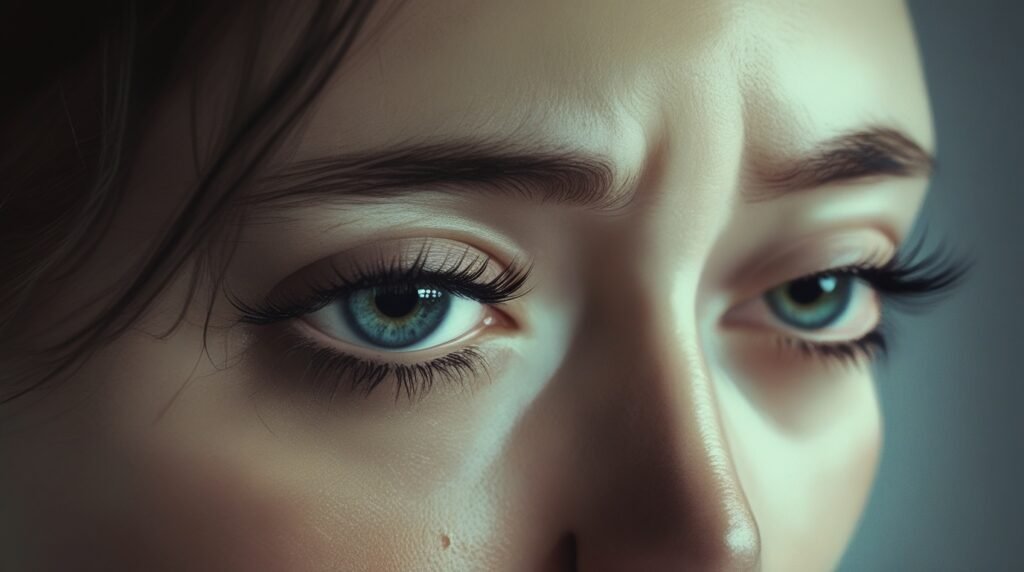
1. Lack of Sleep and Fatigue
One of the most common causes of Puffy Eyes and is lack of sleep. When we don’t get enough rest, our bodies retain more fluid, and the skin around the eyes, which is thin and delicate, becomes more prone to swelling. This can result in noticeable puffiness upon waking.
2. Allergies
Allergic reactions can cause swelling around the eyes as well. When you come into contact with allergens, such as pollen, dust, pet dander, or certain foods, your body releases histamines, which can lead to inflammation and Puffy Eyes and. Individuals with hay fever or other seasonal allergies often experience eye swelling as a symptom.
3. Age and Genetics
This makes it easier for fluid to accumulate beneath the eyes, contributing to Puffy Eyes and. Additionally, genetics play a role in whether you’re more prone to Puffy Eyes and. Some individuals have inherited traits that make them more likely to experience puffiness or dark circles due to the structure of their face and the fat distribution around their eyes.
4. Fluid Retention
Fluid retention, or edema, is another common cause of Puffy Eyes and. This can be triggered by consuming too much salt, dehydration, or hormonal fluctuations. When your body retains excess fluid, it can collect around your eyes, causing puffiness and swelling.
5. Sinus Infections and Congestion
Sinus infections or congestion can also lead to Puffy Eyes and. When your sinuses are inflamed or blocked, it can cause pressure to build up in the face, resulting in swelling around the eyes. This can make your eyes appear puffy, especially if you’re also experiencing other symptoms such as nasal congestion or headaches.
6. Diet and Lifestyle Choices
Your lifestyle choices, such as your diet, alcohol consumption, and smoking habits, can contribute to Puffy Eyes and. Excessive alcohol intake can dehydrate the body, while salty foods can lead to water retention. Smoking damages skin elasticity and can exacerbate puffiness over time. Additionally, stress can lead to poor sleep and changes in hormone levels, which can further contribute to swollen eyes.
7. Medical Conditions
Certain medical conditions, such as thyroid disorders, kidney problems, and circulatory issues, can contribute to Puffy Eyes and. If puffiness is persistent or severe, it could indicate an underlying health condition that requires medical attention. It’s always a good idea to consult a healthcare professional if you’re concerned about chronic swelling.
How to Reduce Puffy Eyes and: Effective Remedies
Now that we’ve covered the common causes of Puffy Eyes and, let’s explore practical and effective remedies that can help reduce swelling. These remedies can be used to manage the symptoms of puffiness and address its underlying causes.
1. Get Enough Sleep
A lack of sleep is one of the leading causes of Puffy Eyes and, so it’s no surprise that getting enough rest can help reduce swelling. Aim for 7-9 hours of sleep per night to allow your body and eyes to recover. Elevating your head while sleeping can also help prevent fluid from accumulating around your eyes.
2. Apply Cold Compresses
Cold compresses are a tried-and-true method for reducing Puffy Eyes and. Applying a cold compress helps constrict blood vessels, which can reduce the amount of fluid accumulating under the eyes. You can use a chilled gel mask, a cold spoon, or a damp washcloth to create a cooling effect. Place the cold compress over your eyes for about 10-15 minutes to see the best results.
3. Use Caffeine-Based Products
Caffeine has anti-inflammatory properties and can be used to reduce swelling and puffiness around the eyes. Many eye creams and serums contain caffeine, which works by constricting blood vessels and improving circulation. Applying a caffeine-based product to the under-eye area can help tighten and firm the skin, providing relief from Puffy Eyes and.
4. Stay Hydrated
Dehydration is a common cause of Puffy Eyes and, as your body tends to retain water when it’s not properly hydrated. Drinking enough water throughout the day can help flush out excess sodium and toxins from your body, reducing fluid retention and Puffy Eyes and. Aim to drink at least 8 glasses of water a day, and consider adding hydrating foods like cucumbers and watermelon to your diet.
5. Reduce Salt Intake
Excessive sodium intake can cause fluid retention, contributing to Puffy Eyes and. Reducing your salt intake can help prevent this from happening. Try to avoid processed foods, canned soups, and salty snacks, and opt for fresh, whole foods that are naturally lower in sodium. You can also try increasing your intake of potassium-rich foods, such as bananas and avocados, which help balance sodium levels in the body.
6. Consider Antihistamines for Allergies
If Puffy Eyes and are caused by allergies, antihistamines can provide relief by reducing inflammation and swelling. Over-the-counter antihistamines can help alleviate symptoms of seasonal allergies or pet dander sensitivities. Always consult with a doctor before starting any new medication to ensure it’s safe for you.
7. Gentle Eye Massage
A gentle eye massage can help stimulate circulation and reduce fluid buildup in the under-eye area. Use your ring finger to lightly tap and massage the area under your eyes, starting from the inner corner and moving outward. This massage can encourage lymphatic drainage, helping to reduce puffiness.
8. Use Cold Tea Bags
Tea bags, particularly those containing caffeine or tannins, can be an effective remedy for Puffy Eyes and. After steeping the tea bags in hot water, allow them to cool and place them over your eyes. The caffeine and antioxidants in the tea can help tighten the skin and reduce swelling. Green tea, chamomile, and black tea are excellent choices for this purpose.
9. Apply Aloe Vera
Aloe vera is well-known for its soothing properties and can help calm inflammation around the eyes. Applying aloe vera gel to the under-eye area can provide cooling relief and reduce puffiness. Aloe also helps hydrate the skin, making it a great natural remedy for dry and irritated skin.
10. Consider Medical Treatments
If home remedies and lifestyle changes don’t effectively reduce your Puffy Eyes and, you may want to consult a healthcare professional or dermatologist. Treatments such as fillers, laser therapy, or chemical peels may be recommended for individuals with chronic or severe puffiness caused by aging or genetics. In some cases, a consultation with an allergist may be needed to manage underlying allergy symptoms contributing to eye swelling.
Preventing Puffy Eyes and: Long-Term Solutions
While remedies can help address Puffy Eyes and temporarily, adopting healthy habits can prevent them from becoming a recurring problem. Here are some long-term strategies to keep your eyes looking fresh and free from puffiness.

1. Improve Sleep Hygiene
Getting adequate sleep is key to preventing Puffy Eyes and. Establish a consistent bedtime routine, avoid caffeine late in the day, and ensure your sleeping environment is conducive to restful sleep. Elevating your head slightly while you sleep can also reduce fluid buildup around the eyes.
2. Manage Allergies Effectively
If allergies are the cause of your Puffy Eyes and, it’s important to manage them effectively. Take steps to limit your exposure to allergens, such as using air purifiers, washing your bedding frequently, and taking allergy medications as prescribed by your doctor.
3. Follow a Healthy Diet
Eating a balanced diet that includes plenty of fruits, vegetables, and whole grains can help maintain healthy skin and prevent Puffy Eyes and. Foods rich in antioxidants, such as berries, leafy greens, and citrus fruits, can reduce inflammation and improve circulation. Avoid excessive salt and sugar, which can lead to fluid retention.
4. Use Protective Skincare Products
Using skincare products that are specifically formulated for the delicate under-eye area can help reduce puffiness over time. Look for products that contain ingredients like hyaluronic acid, retinol, or peptides, which help improve skin elasticity and reduce the appearance of swelling.
5. Protect Your Skin from Sun Damage
Sun exposure can damage the skin around your eyes and contribute to Puffy Eyes and. Always wear sunscreen, sunglasses, and hats to protect the delicate skin around your eyes from harmful UV rays.
Conclusion: Managing Puffy Eyes and and Maintaining Healthy Skin
In conclusion, Puffy Eyes and can be a frustrating and common issue, but with the right knowledge and lifestyle adjustments, you can significantly reduce swelling and improve the appearance of your eyes. Whether your Puffy Eyes and are caused by lack of sleep, allergies, genetics, or fluid retention, there are various remedies that can provide relief. By improving sleep hygiene, staying hydrated, using cold compresses, and adopting healthy habits, you can prevent Puffy Eyes and from becoming a recurring problem. If home remedies aren’t enough, don’t hesitate to seek professional advice to explore more targeted treatments.
FAQs
1. What causes Puffy Eyes and?
Puffy Eyes and are typically caused by factors like lack of sleep, allergies, fluid retention, aging, and medical conditions. Hormonal changes and excessive salt intake can also contribute to eye puffiness.
2. How can I reduce Puffy Eyes and naturally?
Natural remedies for Puffy Eyes and include using cold compresses, applying aloe vera, staying hydrated, and reducing salt intake. Getting enough sleep and managing allergies also play a significant role.
3. How long does it take to reduce Puffy Eyes and?
Depending on the cause, it can take anywhere from a few hours to a couple of days to see noticeable improvements in Puffy Eyes and. For persistent puffiness, home remedies or professional treatments may be required.
4. Can dehydration cause Puffy Eyes and?
Yes, dehydration can cause your body to retain water, leading to Puffy Eyes and. Drinking enough water helps flush out toxins and prevent fluid retention around the eyes.
5. Are there any long-term solutions to prevent Puffy Eyes and?
To prevent Puffy Eyes and, focus on improving your sleep hygiene, maintaining a healthy diet, managing allergies, and using protective skincare products for the under-eye area. Regular exercise and staying hydrated can also help maintain healthy skin and reduce puffiness.